Collision repair brings your car back to life after an accident, restoring safety, structure, and appearance.
Whether it’s minor dents or major panel damage, this process tackles it all.
In this guide, we’ll break down what collision repair includes, the common types of damage it fixes, and how to pick a trusted repair shop to get your ride road-ready again.
What is collision repair?
Collision repair involves fixing a car after an accident. This includes repairing or replacing damaged parts like the bumper, fender, and frame, as well as restoring the vehicle to its pre-accident condition.
Key Takeaways
- Collision repair involves fixing damage caused by accidents or crashes to restore a vehicle’s safety and appearance.
- Repair procedures vary based on the extent of the damage and the vehicle’s make and model.
- Finding a reliable and experienced collision repair shop is crucial to ensure quality work.
What Does Collision Repair Involve?
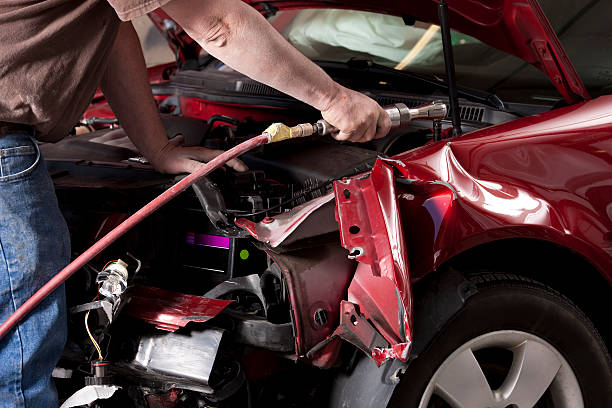
When your vehicle is involved in a crash or collision, it can suffer from various types of damage, ranging from minor cosmetic issues to severe structural damage. Professional vehicle collision repair ensures that every affected part—from the frame to the paintwork—is restored to its original condition. Skilled technicians assess hidden damage, replace compromised components, and use advanced tools to realign the structure for safety and performance. Getting timely repairs not only restores your car’s look but also keeps it roadworthy and safe for future drives.
Collision repair covers all aspects of fixing that damage, with the goal of restoring the vehicle to its original state—or as close to it as possible.
Here are the main procedures involved in collision repair:
Damage Assessment
The first step in any collision repair process is to thoroughly assess the damage to your vehicle.
This may involve a visual inspection and the use of diagnostic tools to identify internal issues that aren’t immediately visible.
The repair technician will look at the vehicle’s frame, body panels, paint, and any mechanical components that could have been impacted by the collision.
Bodywork and Dent Repair

One of the most common types of collision damage is body dents and scratches.
Whether it’s a small dent from a parking mishap or significant body damage from a larger accident, bodywork and dent repair will restore the vehicle’s surface.
This process typically involves:
PDR (Paintless Dent Repair
A technique for small, non-cracked dents where the technician works from behind the panel to gently push out the dent. This method, known as paintless dent removal in Taylor, is highly effective for restoring a vehicle’s surface without the need for repainting.
Traditional Bodywork
For larger dents or damaged panels, the technician may need to use filler, sanding, and refinishing to restore the shape and smoothness of the vehicle.
Frame Repair
If the collision caused significant damage to the vehicle’s frame, this requires more intensive repair work.
The frame is the foundation of your vehicle, and if it’s bent or damaged, it can compromise the safety and structural integrity of the car. Frame repair typically involves:
Straightening the frame: Using hydraulic equipment to restore the frame’s original shape.
Welding: In some cases, welding may be necessary to fix cracks or structural issues in the frame.
Panel Replacement
In cases of severe damage where the body panel is beyond repair, replacement may be necessary. This often happens with fenders, doors, hoods, and bumpers. The technician will also check for underlying issues, since many drivers often wonder, is it bad to slam a car door? Repeated slamming can lead to misalignment or damage that may require repair or replacement usually suggest a rear bumper replacement if the damage is too extensive, and will also explain the expected car bumper repair duration so you know how long the process may take.
Remove the damaged panel carefully to avoid scratching nearby surfaces. Order a replacement part that matches the make and model of the vehicle exactly. Before installation, inspect the frame alignment using a collision repair system to ensure the vehicle structure is straight. Once confirmed, install the new panel, making sure it’s properly aligned, secured, and sealed to prevent future issues. Finally, test the fit and finish to maintain the vehicle’s original look and safety standards.
Paint and Refinishing
After the bodywork and frame repair are complete, the vehicle will undergo refinishing to restore its paint.
This step is critical for the vehicle’s aesthetics, but it also helps protect it from corrosion. The refinishing process involves:
Priming: Applying a primer to the repaired area to prepare it for painting.
Painting: The technician will match the vehicle’s paint colour and apply it in layers.
Clear Coat: A final clear coat will be applied to provide a glossy finish and additional protection.
Why Collision Repair is Important
Collision repair is not just about restoring your vehicle’s appearance; it’s also about ensuring its safety.
Even minor collisions can cause significant damage to a vehicle’s structure, which might not be immediately visible. Here’s why it’s so important:
Restores Vehicle Safety
Even after a seemingly minor collision, the structural integrity of the car can be compromised.
Damaged body panels, crumple zones, and the frame can all affect the vehicle’s safety performance in future accidents.
Collision repair ensures that your car is safe to drive by fixing any damage that could impair its ability to protect you in the event of another collision.
Maintains Vehicle Value
A well-repaired vehicle retains its value better than one with visible damage. If you plan to sell or trade your car, having the collision damage repaired can help you get a higher price.
Buyers are more likely to purchase a vehicle that looks well-maintained and has no obvious signs of previous accidents.
Improves Aesthetic Appeal
Beyond safety, the cosmetic appearance of your vehicle is important, especially if the damage is noticeable.
Dents, scratches, and paint chips can make your car look old and worn, affecting both its resale value and your satisfaction with its appearance.
Collision repair helps to restore the vehicle to its original condition.
Frequently Asked Questions (FAQs)
1. How long does collision repair take?
The duration of collision repair depends on the severity of the damage. Minor repairs may take a few days, while more extensive work could take a week or more.
2. How much does collision repair cost?
The cost of collision repair varies based on the extent of the damage. Minor repairs can cost a few hundred dollars, while major repairs can run into the thousands.
3. Will insurance cover the cost of collision repair?
In most cases, if the accident is covered by your insurance, collision repair costs will be covered, minus your deductible. Be sure to check with your insurance company for specific coverage details.
Conclusion
Collision repair is an essential process for restoring the safety and appearance of a vehicle after an accident. Professional collision repair and restoration services ensure that every damaged panel, frame, and component is repaired or replaced to meet factory standards. This not only improves the vehicle’s look but also ensures structural integrity and safe driving performance. Skilled technicians use advanced tools, paint-matching technology, and precision techniques to make your car look and perform like new again.
Whether your car has suffered from a minor fender-bender or a major crash, it’s important to have the damage repaired by a professional.
Choosing the right repair shop and understanding the repair process will help ensure that your vehicle is restored to its original condition, both in terms of safety and aesthetics.
Regular maintenance and timely repairs will also help extend the lifespan of your vehicle and protect its value in the long run.

Recent Comments