
Front bumper damage is one of the most common problems drivers face after accidents, parking impacts, or road debris. Many drivers are unsure whether insurance will help pay for repairs, a replacement bumper, or other related costs. Understanding how full bumper coverage works can help you avoid stress, plan repairs, and decide if filing a claim is worth it.
This guide explains how insurance applies, what counts as damage, and what to check before you take your next step.
What “Bumper Damage” Means
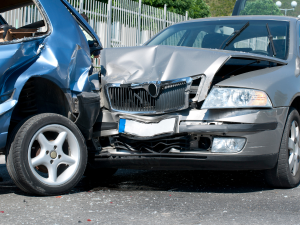
Bumper damage includes any impact or wear that affects the bumper covers, brackets, fasteners, paint, or surrounding body panel areas. Since many cars use plastic bumpers or painted bumpers, even a small collision can lead to cracks or dents that need attention.
Common types of bumper issues include:
- Scratches and chipped paint
- Cracks in plastic bumper covers
- Damaged clips or brackets
- Deep dents from another vehicle
- Split edges or separation from the body
- Internal damage that affects sensors
Some cases require only a light car bumper repair, while others may need a loose bumper repair, a full front bumper replacement, or even more extensive work. Knowing the specific level of damage helps you accurately determine both your insurance coverage and the total repair cost.
What Kinds of Car Insurance Coverage Typically Apply
Bumper and auto repairs fall under different types of insurance depending on how the damage happened. Not every policy covers every situation, so understanding your options matters.
Collision coverage
Collision applies when your car hits another car, roadside object, curb, or barrier. If this impact leads to front bumper damage, collision coverage usually pays for repairs minus your deductible.
Comprehensive coverage
Comprehensive applies when damage is caused by events you did not control. This includes animals, falling objects, vandalism, or weather events. If a tree branch dents your bumper, comprehensive may pay for it.
Liability coverage
Liability does not cover your bumper. It pays for damage you cause to someone else’s car. If someone else hits your vehicle, their liability insurance may cover your replacement bumper or repairs.
Uninsured or underinsured motorist coverage
If someone hits your car and does not have enough coverage, your uninsured motorist property damage may help pay for repairs.
Each coverage type handles bumper issues differently, so reviewing your policy can help you understand what applies.
How the Cause of Damage Affects Coverage
Insurance depends heavily on the event that caused the damage. Two similar looking situations can be covered differently based on the cause.
Here are examples of how cause changes coverage:
- You hit a post: Collision coverage applies.
- Someone hits your parked car and leaves: Collision or uninsured motorist may apply.
- A shopping cart dents your bumper: Collision typically applies.
- A tree branch falls on your bumper: Comprehensive applies.
- Your bumper cracks due to age or heat: No coverage because it is considered wear and tear.
Understanding the cause helps you decide whether a claim makes sense and how much you might pay out of pocket.
When to File a Claim – Decision Factors and What to Check
Filing a claim is a personal decision. Some situations make a claim useful, while others may be better handled through direct repair.
Before filing a claim, consider the following:
Check your deductible
If repair costs are close to or lower than your deductible, filing a claim may not save money.
Review repair costs
Minor cracks and scratches can sometimes be repaired with a plastic bumper repair kit, while serious damage requires a replacement bumper. The cost difference affects whether a claim is worth it.
Consider your premium impact
Some insurers raise premiums after claims. If the bumper issue is small, it might be smarter to pay out of pocket to avoid long term cost increases.
Look for hidden damage
Even small impacts can affect brackets and sensors. If you are unsure, a full inspection helps determine the real cost.
Check your state rules
Some states limit when insurers can raise rates, especially if the accident was not your fault.
If you are unsure whether the car is safe to drive, especially with missing bumper covers or loose parts, you may want to read more about can you drive without a bumper before deciding on repairs or next steps.
How to Check Your Policy and Claim for Bumper Damage
Understanding your policy gives you confidence in deciding how to move forward.
Locate your declarations page
This section lists the coverage types you purchased, deductibles, and limits. Look for collision and comprehensive first.
Check exclusions
Some policies exclude cosmetic repairs, but most bumper damage goes beyond appearance and falls under accident repair.
Take clear photos of the damage
Make sure to capture cracks, dents, misalignment, and any visible gaps in the bumper or body panel.
Document the cause
Your insurer will ask how the damage happened. A simple and clear explanation prevents delays.
Get a repair estimate
An estimate helps you compare costs against your deductible and decide whether filing makes sense.
Start the claim
You can file online, through an app, or by calling your insurer. Provide photos, details, and repair quotes if needed.
Bumper claims are usually processed quickly because the damage is straightforward, but hidden issues can change the repair timeline.
Conclusion
Front bumper damage can happen at any time, and knowing whether insurance will cover the front bumper pricing for repairs gives you confidence in your next steps. Understanding these costs upfront allows you to navigate the claims process effectively and ensures your vehicle is restored to its best condition without unexpected financial stress.
The type of coverage you have, the cause of the damage, and your deductible all play major roles in approval and cost. By understanding how insurance works and reviewing your policy before filing, you can choose whether to repair the bumper yourself, pay out of pocket, or file a claim that covers car bumper repair or replacing front bumper parts. When in doubt, a professional assessment helps you understand the true condition and cost before you make a decision. Read more about car rear bumper cost.
Frequently Asked Questions
1. When Will My Car Insurance Cover Bumper Damage
Insurance will cover bumper damage when the cause is listed under your collision or comprehensive coverage. Damage caused by another driver may also be covered under their liability policy.
2. Will the Insurer Pay If Bumper Damage Is Minor
Insurers can pay for minor damage, but if the repair cost is close to or lower than your deductible, filing a claim may not be worth it.
3. Are There Times When It Is Better Not to Claim
Yes. If the damage is small, does not affect safety, and costs less than your deductible or expected premium increases, it may be better to handle the repair yourself.

Recent Comments