Dents happen, but fixing them doesn’t have to be a hassle. Paintless dent repair (PDR) skips the sanding and painting, giving you a fast, budget-friendly fix that keeps your original finish intact.
In this guide, we’ll break down how PDR works, when it’s a smart choice, and why car owners love this low-stress repair method.
How does paintless dent repair work?
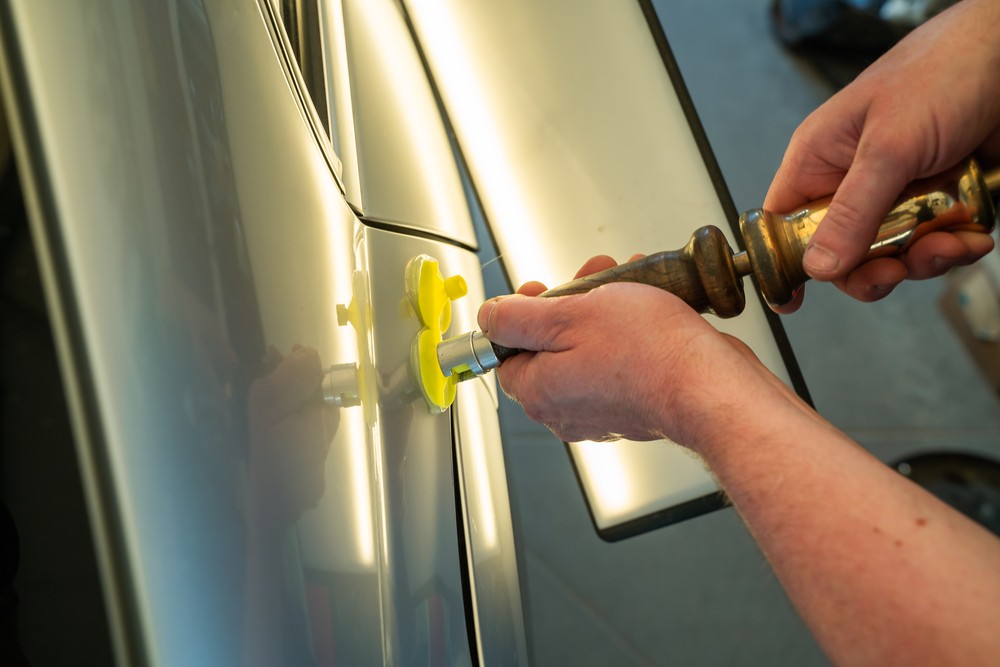
Paintless dent repair involves using special tools to massage the dent from behind the panel, gradually pushing the metal back to its original shape. This technique is often used for minor auto dent repair. This method is quick, affordable, and keeps the original paint intact. For deeper surface imperfections or scratches that affect the finish, auto paint correction can restore the flawless look by removing swirl marks and restoring shine. Together, these techniques ensure your car maintains its factory look without the need for costly repainting.
Key Takeaways
- Paintless dent repair uses specialized tools to remove dents without damaging the car’s paint.
- It’s a quicker, more cost-effective solution for minor dents and dings.
- PDR is ideal for small to medium-sized dents, but it may not be suitable for severe damage or areas where the paint is cracked.
What Is Paintless Dent Repair?
Paintless dent repair (PDR) is a method of removing dents and dings from a vehicle’s body without the need for traditional bodywork, such as sanding, filling, or repainting.
Instead of using fillers and paint, PDR technicians use specialized tools to gently massage the dent from the inside of the panel, gradually pushing the metal back to its original shape. This process keeps the factory finish intact, saving you from needing to touch up car paint or worry about mismatched color spots later. It’s a cleaner, faster, and more cost-effective way to restore your vehicle’s sleek look without sanding, repainting, or using body fillers.
The goal of PDR is to restore the car’s surface to its original state, without affecting the paint.
This technique is typically used for small to medium-sized dents that haven’t cracked or damaged the paint.
PDR is a highly effective, cost-efficient solution for removing dents caused by hail, door dings, or minor collisions. Whether you’re dealing with a small ding or a noticeable crease, an auto dent fix using paintless dent repair can restore your car’s smooth finish without repainting. It’s fast, affordable, and helps maintain your vehicle’s original value.
Get more info about car bodywork repair
How Paintless Dent Repair Works
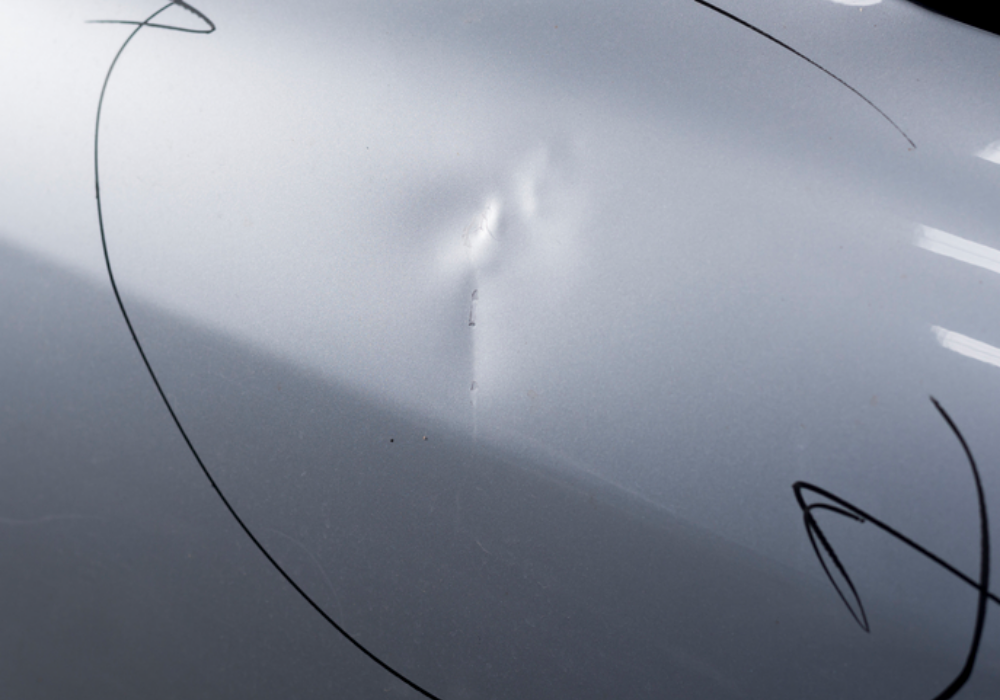
The process of paintless dent repair involves several precise steps, all aimed at restoring your car’s appearance while preserving its original finish.
Here’s how the PDR process typically works:
Assessment of the Damage
The first step in PDR is for the technician to assess the extent of the damage.
Not all dents are suitable for paintless repair. Small, shallow dents with no paint damage or creases are the best candidates.
If the dent is deep, has sharp edges, or if the paint is cracked or chipped, traditional repair methods may be necessary.
Tip: If the dent is on a curved or very tight part of the vehicle, it might be more challenging for the technician to access and repair it with PDR.
Gaining Access to the Backside of the Panel
Once the technician has evaluated the dent, the next step is to access the backside of the damaged panel.
For most cars, the technician will remove trim pieces, inner panels, or other obstacles to create a pathway to the back of the dent.
Tip: Technicians may use a special light or reflector board to inspect the damage from different angles, helping them spot every part of the dent and guide the repair process.
Pushing the Dent Out
Once access is gained, the technician uses specialized tools to push the dent from the backside.
These tools are carefully manipulated to apply gentle pressure, gradually working the dent out without causing damage to the paint.
Tip: For more complex or deep dents, the technician might use a method called “suction pulling,” where the dent is pulled outward instead of being pushed from behind.
Finishing and Inspection
After the dent has been removed, the technician will inspect the area to ensure that the panel is smooth and level.
Any small imperfections are carefully addressed to ensure the surface is flawless.
After the repair, the vehicle’s paint will still look as good as it did before the dent, thanks to the precision of PDR.
Tip: Since the paint is not disturbed during the process, the vehicle will maintain its original factory finish, saving you from repainting costs.
When to Use Paintless Dent Repair
While PDR is a fantastic solution for many minor dents, it’s not always the best choice for every situation. Here’s when PDR is ideal, and when it may not be suitable:
When PDR is Ideal
Small to Medium Dents
PDR works best for shallow dents, door dings, and small impacts, particularly those caused by hail, shopping carts, or minor parking lot incidents.
No Paint Damage
PDR is most effective when the paint is intact. If the dent hasn’t caused cracks or chips in the paint, PDR can restore the panel to its original state without the need for repainting.
Accessible Panels
If the dent is on a part of the vehicle that’s easy to access, such as the doors, roof, or bonnet, PDR is an excellent choice.
When PDR May Not Be Suitable
Severe Dents
Deep, large dents or those with sharp creases may require more traditional bodywork, as PDR may not be able to fully restore these types of damage. In such cases, professional services like auto unibody repair in Ogden can ensure the structural integrity of your vehicle is properly restored.
Cracked or Damaged Paint
If the paint is cracked or chipped, PDR will not be effective, as the integrity of the paint would be compromised during the repair process.
Structural Damage
If the dent affects the structural integrity of the vehicle, such as the frame or other critical areas, traditional repair methods may be required to ensure the car’s safety. In such cases, professional services like car frame straightening in Taylor can restore the vehicle’s strength and alignment.
Advantages of Paintless Dent Repair
Paintless dent repair offers several benefits over traditional repair methods, making it a popular choice for many car owners. Here are the key advantages:
Cost-Effective
PDR is typically much cheaper than traditional bodywork. Since there’s no need for painting, filling, or replacing parts, the cost is significantly lower.
If the damage is minor, PDR can save you a substantial amount compared to traditional repair methods.
Faster Turnaround Time
Since PDR doesn’t involve the long processes of sanding and painting, repairs can usually be completed in a matter of hours, rather than days.
This means you’ll get your car back much sooner.
No Need for Painting
Because the paint isn’t damaged during the process, you don’t have to worry about colour mismatches or the time and cost associated with repainting your car.
The repair maintains the factory finish, which can be particularly important for newer vehicles.
Environmentally Friendly
Since PDR doesn’t require the use of paints, solvents, or fillers, it’s a much more eco-friendly option.
It produces fewer harmful emissions and doesn’t require additional materials that could harm the environment.
When to Seek Professional Help for Paintless Dent Repair
For best results, it’s always a good idea to leave the job to a professional who has the right tools and training.
Attempting to repair a dent yourself could lead to further damage, especially if you don’t have the expertise to work with delicate panels.
Frequently Asked Questions (FAQs)
1. How long does paintless dent repair take?
The time it takes to complete PDR depends on the size and location of the dent. Most repairs can be completed in a few hours, though larger or more complex dents may take longer.
2. Can paintless dent repair be used for larger dents?
While PDR is effective for small to medium dents, larger or deeper dents may require traditional bodywork for the best results.
3. Is paintless dent repair permanent?
Yes, PDR can provide a permanent solution as long as the damage is not too severe, and the paint remains intact. The process restores the original shape of the panel without affecting the paint.
Conclusion
Paintless dent repair is a highly effective, cost-efficient, and environmentally friendly way to fix minor dents and dings in your car.
By using specialized tools to massage the metal back into shape, PDR restores your vehicle’s appearance without the need for repainting.
While it may not be suitable for all types of damage, it’s an excellent solution for many everyday issues, offering fast repairs and preserving your car’s original finish.
If you’re dealing with minor dents, it’s worth considering PDR as a quick and affordable alternative to traditional repair methods.
Receive exceptional services right here in auto dent fix South Ogden and Roy Ut Car Paint Specialists

Recent Comments