

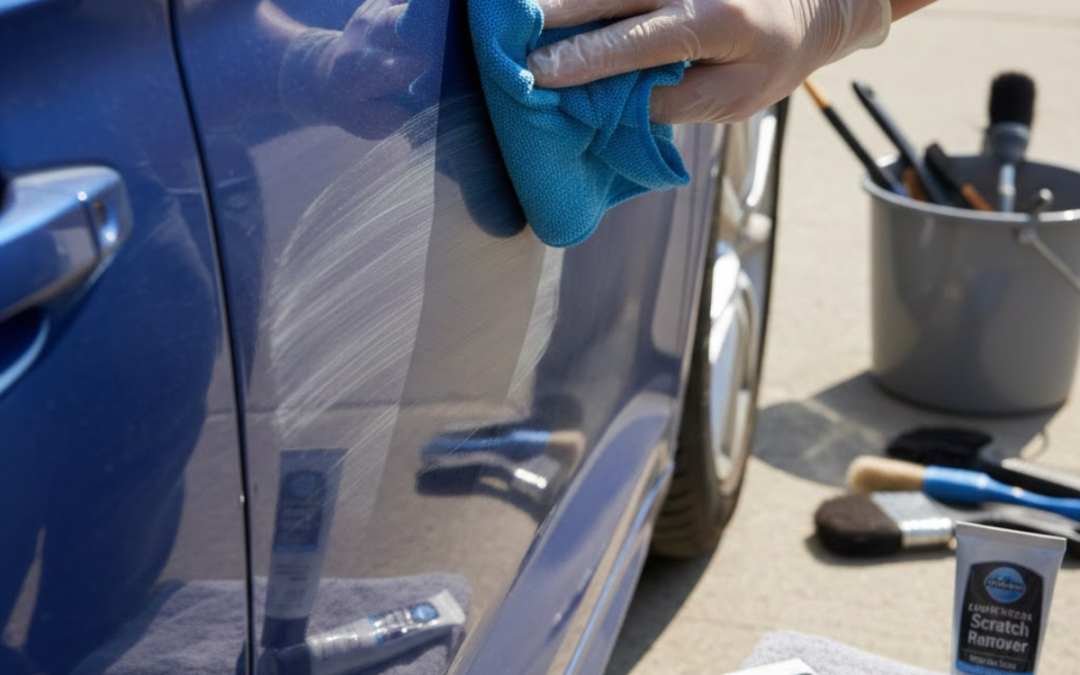
Scratches on your car’s surface can be frustrating and can significantly affect its overall look and resale value. Knowing how to buff out scratches on a car effectively helps preserve your vehicle’s finish and protect its paintwork from further damage. Whether it’s a minor surface scrape or a deeper, more noticeable mark, the right approach can save you time, money, and keep your car looking its best.
Understanding the types of scratches and the layers of car paint they affect is crucial before deciding on any repair method. Some scratches may only impact the clear coat and can be professionally buffed out, while others might require more extensive car paint repair. Knowing the car scratch repair cost beforehand can help you plan your budget effectively. Preparing your car properly before any buffing or touch-up ensures better results and helps maintain that smooth, glossy appearance.
In this guide, we will explore how to assess scratch severity, when to use specialized touch-up paint or a scratch repair kit, and most importantly, when it’s best to rely on professional services.
Understanding Car Paint Layers And Scratch Types
To effectively address a scratch, it’s important to understand the layers involved in car paint. The paint system typically consists of the clear coat (the protective glossy layer), paint layer (color), and the primer beneath it. Scratches can affect any of these layers:
- Clear coat scratches are superficial and usually white or light in color.
- Paint scratches penetrate through the clear coat and reveal color differences.
- Primer or metal scratches go deeper, exposing the base metal or plastic.
Knowing the scratch’s depth helps determine the best course for buffing or repair. Light scratches on the clear coat are often buffable, while deeper scratches might require professional attention with specialized car paint repair products.
How to Assess How Bad the Scratch Is
Assessing how bad a scratch is begins with thoroughly cleaning the affected area to remove any dirt or debris that could obscure the damage. Once the surface is clean, a simple test involves gently running your fingernail over the scratch. If your nail catches, it usually means the scratch has penetrated beyond the clear coat and may require more than just buffing to fix.
A careful visual inspection in natural sunlight can also help determine the scratch’s depth and severity. This evaluation is essential to decide whether a light buff with car polish will suffice or if more advanced solutions like a car scratch repair kit or car touch up paint are necessary to restore your vehicle’s finish effectively.
Preparing Your Car Before Buffing
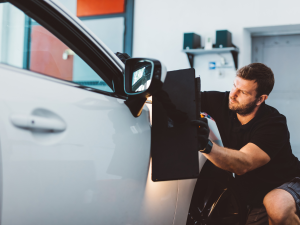
Proper preparation is crucial before buffing out scratches. First, thoroughly wash and dry the car to remove contaminants. This prevents additional scratches during the buffing process. Next, inspect the area for any debris or paint chips.
If you decide to proceed with buffing, ensure you have the right tools such as a suitable scratch remover for cars or rubbing compound designed for automotive finishes. Proper preparation ensures the maximum effectiveness of the buffing and polish.
DIY Buffing & Scratch Removal Techniques for Light Scratches
While there are various buffing techniques, we recommend consulting professionals for safe and effective scratch removal. Professional buffing services use advanced equipment and materials that protect your car’s finish and achieve optimal results.
Attempting buffing without experience can sometimes worsen scratches or damage the paint. For light scratches, professional technicians can select the right blend of car polish and rubbing compound to restore the paint’s smoothness and shine without over-polishing.
When to Use Touch-up Paint or a Scratch Repair Kit
For scratches that have penetrated the clear coat and paint layers, using touch up paint car products or a car scratch repair kit might be necessary. These kits can fill and cover deeper scratches but require precise color matching and application skills.
Incorrect use can lead to cosmetic mismatches or uneven textures. Consulting a professional ensures that the paint repair matches seamlessly with your car’s original finish. Professional repair also includes proper surface preparation and sealing for long-lasting results.
When to Call a Professional
Certain scratches require expert care beyond simple buffing. Deep scratches exposing primer or metal should be addressed by professionals specialized in car paint repair. Professionals have access to quality materials and techniques to restore your vehicle’s finish and protect it from rust or further damage.
If you notice scratches that you cannot buff out, or if your assessment suggests deeper damage, contacting a reputable auto body shop offers peace of mind. Professionals provide comprehensive car care that preserves your vehicle’s value and appearance.
Preventive Maintenance & How to Protect Your Car’s Finish
Ongoing maintenance helps keep your car’s paint looking great and minimizes future scratches. Routine washing with gentle car care products removes dirt and debris that can cause surface damage. Applying wax or sealants adds a protective layer against environmental factors like UV rays and pollutants.
Avoiding parking near shrubs or tight spaces reduces accidental dings and scratches. Using proper washing tools and methods prevents swirl marks. Preventive measures combined with professional care ensure your car maintains a pristine finish for longer.
Conclusion
If you want to learn more about restoring your vehicle’s appearance, consider exploring topics, like “What is paintless dent repair?”. Understanding these repair methods can help you make informed decisions about maintaining your car’s finish and value.
When scratches affect your car, trusting a professional auto body service is the best choice. Expert technicians have the experience and tools needed to accurately assess the damage and provide high-quality paint restoration. Don’t let scratches diminish your vehicle’s look, reach out to skilled professionals who can bring your car’s finish back to its original shine with precision and care.
Frequently Asked Questions
1. Can I buff out any scratch just by rubbing or polishing?
Not all scratches can be removed by buffing or polishing. Some may be too deep and require professional assessment followed by appropriate car paint repair techniques to avoid further damage.
2. What should I do after buffing or scratch removal to protect the paint?
After any scratch removal or buffing, it is important to protect the paint with a quality wax or sealant. Professional services also include this step to ensure lasting protection and enhance the vehicle’s finish.
3. When is it better to visit a professional vs. DIY scratch repair?
For deeper scratches or when you are unsure of the severity, professional repair is advisable. Our experts have the tools and experience to deliver seamless results, protecting your car’s value and appearance better than DIY methods.

Recent Comments