


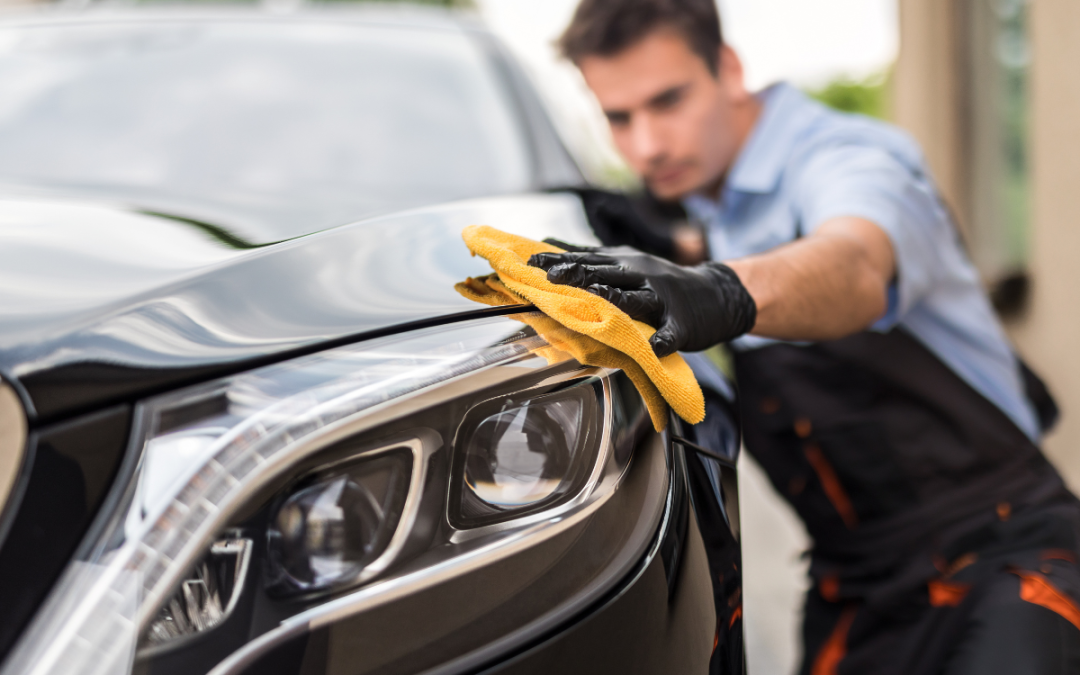
Many vehicle owners look for ways to repair paint chips to preserve their car’s finish and resale value. Small chips may seem harmless at first, but over time they can lead to rust, peeling paint, and more expensive repairs. Understanding what causes these chips, when they should be repaired, and how car paint cost factors into your maintenance budget can help you avoid long-term damage and unnecessary costs.
This guide explains everything you need to know about paint chip repair, including DIY methods, professional repair options, tools involved, and expected costs.
What Causes Paint Chips on Cars
Paint chips usually happen when small objects strike the surface of your car while driving. These impacts break the protective paint layer and expose the metal underneath.
Common causes include:
- Loose gravel and stones kicked up from the road
- Road rash from highway driving
- Debris from construction zones
- Weather related damage such as hail
- Minor parking lot incidents
Once the paint is chipped, moisture can seep into the exposed area, which increases the risk of corrosion.
Why Fixing Paint Chips Matters
Ignoring paint chips can lead to bigger problems. Even small chips can spread and cause damage beyond the original spot.
Fixing paint chips helps to:
- Prevent rust formation
- Protect the metal body of the car
- Maintain the vehicle’s appearance
- Preserve resale and trade-in value
- Avoid larger paint repair costs later
Knowing how to fix paint chips on car panels early can save both time and money.

When Should You Repair Paint Chips
Timing matters when it comes to paint chip repair. Addressing the damage early makes repairs much simpler.
You should repair paint chips when:
- Bare metal is visible
- The chip has sharp or lifted edges
- The area begins to discolor
- The chip grows larger after washing or driving
If rust has already formed, simple touch up paint may no longer be enough.
How to Fix Paint Chips on Car at Home
Many small paint chips can be repaired at home using basic tools and automotive touch up paint. This method works best for shallow chips without rust.
DIY paint chip repair steps
- Clean the area
Wash the damaged area thoroughly and remove dirt, grease, and debris. - Lightly sand the chip
Use fine grit sandpaper to smooth rough edges and improve paint adhesion. - Apply touch up paint
Use the correct automotive touch-up paint based on your vehicle’s factory color code. Apply thin layers and allow drying between coats. - Seal with clear coat
A clear coat helps protect the repair and improve blending. - Polish the area
Once fully dry, gently polish to smooth the surface.
DIY methods are effective for minor damage, but results may vary depending on skill level.
How Professionals Repair Paint Chips
Professional repair goes beyond basic touch ups. Trained technicians use specialized techniques to blend paint seamlessly with the surrounding surface.
Professional methods may include:
- Precision color matching
- Controlled paint application
- Clear coat blending
- Paint leveling and polishing
- Minor dent removal kit usage if needed
This approach provides a more uniform finish and longer lasting results.
What Tools Are Needed for Paint Chip Repair
Whether you choose DIY or professional repair, several tools are commonly involved.
Basic tools include
- Automotive touch up paint
- Fine grit sandpaper
- Cleaning solution
- Clear coat
- Microfiber cloths
Advanced tools used by professionals
- Spray equipment
- Paint matching systems
- Scratch remover for cars
- Polishing machines
- Dent removal tools
The right tools make a noticeable difference in the final outcome.
How Much Does Paint Chip Repair Cost
The cost of paint chip repair depends on the size, depth, and location of the damage.
Typical cost ranges
- DIY touch up kits: low cost option
- Single chip professional repair: moderate cost
- Multiple chips or blended paint work: higher cost
Small cosmetic imperfections can often be fixed with touch-up paint instead of repainting the entire car. However, extensive damage may require professional refinishing to prevent long-term issues.
DIY vs Professional Paint Chip Repair
Choosing between DIY and professional repair depends on expectations and damage severity.
DIY repair is best when
- Chips are small and shallow
- No rust is present
- Appearance perfection is not critical
Professional repair is better when
- Chips are deep or widespread
- Rust has started to form
- Color matching must be exact
- Long term durability is a priority
Understanding how to fix paint chips on car surfaces helps you decide which approach fits your situation.
Related Auto Repair Tips
Paint damage often appears alongside bumper or trim issues. If your vehicle has loose or damaged bumper clips, you may find this guide helpful:
how to fix front bumper clips
Addressing related damage together can improve overall vehicle appearance and protection.
Conclusion
Learning how to fix paint chips on car panels allows vehicle owners to protect their investment and prevent costly repairs. Whether you choose a DIY touch up or professional repair, early action is the key to avoiding rust and paint failure. Understanding the causes, tools, costs, and repair options helps you make informed decisions and keep your car looking its best. Fixing paint chips promptly ensures better protection, longer paint life, and improved resale value.
Frequently Asked Questions
1. Can Small Paint Chips Be Fixed Without Repainting the Car?
Yes, small paint chips can often be repaired using automotive touch up paint without repainting the entire vehicle.
2. How Long Does It Take to Fix Paint Chips on a Car?
DIY repairs may take a few hours including drying time. Professional repairs are usually completed within the same day.
3. Will Untreated Paint Chips Cause Rust?
Yes, untreated paint chips expose bare metal, which can lead to rust when moisture reaches the surface.

Recent Comments