

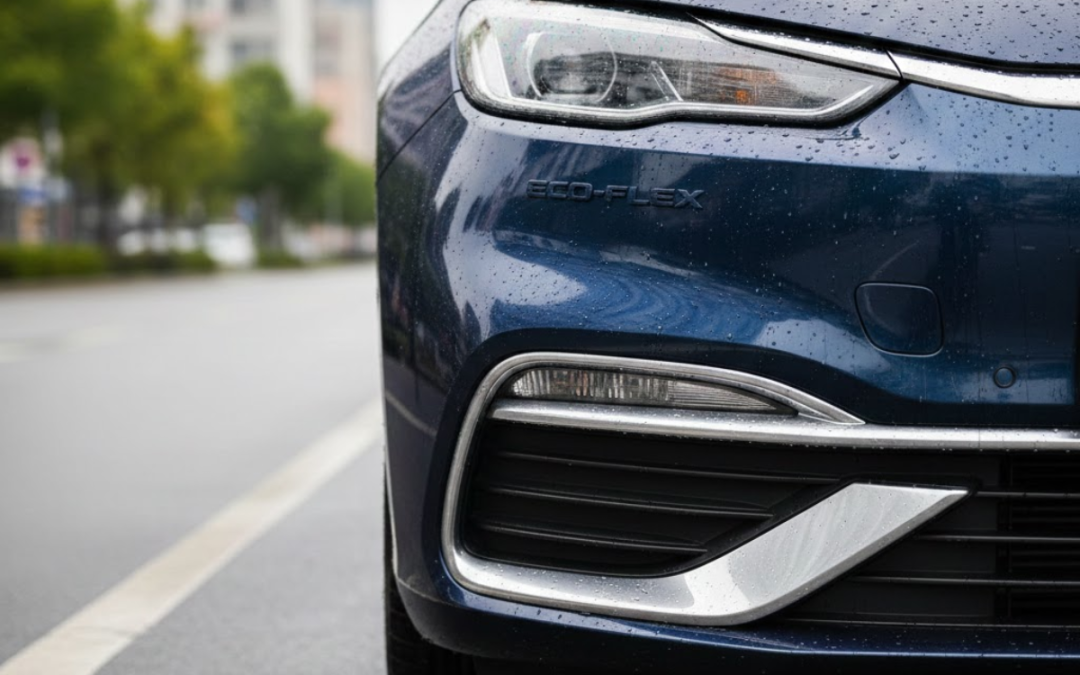
Plastic bumpers play a vital role in shielding your vehicle from minor impacts, scratches, and everyday wear. When a plastic bumper sustains damage, whether a small crack, deep scratch, or dent, it’s important to address it promptly. Knowing how to repair hard plastic bumper problems helps preserve your car’s appearance, prevents further damage, and maintains overall safety on the road. Timely professional repair ensures your vehicle looks great and functions as it should.
We understand how frustrating bumper damage can be. While some may consider repairing it themselves, proper bumper repair involves specialized tools and techniques tailored to the type of plastic and damage. To guarantee a reliable and durable result, trusting experienced professionals is highly recommended.
What Kind of Bumper Problem Is It?
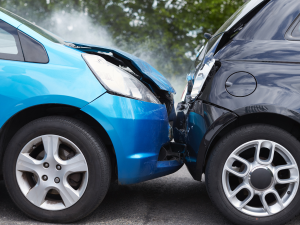
Identifying the exact bumper problem is the first critical step in the repair process. Common issues include:
- Cracks and splits: Usually caused by impact and require careful repair to restore strength.
- Scratches and scrapes: Superficial damage that sometimes only needs filler or polishing.
- Dents and deformations: Often require reshaping or filler before finishing.
Knowing the nature of the damage helps determine the best repair method, whether it’s a simple scratch repair or more involved cracked bumper repair.
Identify the Bumper Plastic Type & Gather Tools & Materials
Plastic bumpers are made from materials like polypropylene (PP), thermoplastic olefins (TPO), or acrylonitrile butadiene styrene (ABS). Each material demands specific repair products for the best results. Professionals assess the plastic type to select correctly matched fillers, adhesives, or welding equipment.
Typical tools used in bumper repair include:
- Various grits of sandpaper
- Cleaning and degreasing agents
- Plastic fillers and epoxy
- Plastic welding machines
- Primer and auto paint supplies
Using the right tools and materials ensures a seamless and lasting repair.
Surface Pre-Preparation: Cleaning, Degreasing & Sanding
Before starting any repair, the bumper surface must be thoroughly cleaned. Removing dirt, wax, and grease ensures proper bonding of fillers or adhesives. Degreasing agents eliminate substances that could weaken the repair.
Next, sanding smooths edges around the damaged area and prepares it for filler application. Professionals use a graduated sanding process to feather damage edges for better adhesion and finish quality.
Choose Repair Method: Fillers, Epoxy, Fiberglass Backing, or Plastic Welding
There are several effective repair options depending on the damage severity:
- Bumper fillers: Perfect for scratches, gouges, or minor dents. These fillers bond with the plastic, providing a smooth paint-ready surface.
- Epoxy adhesives: Provide strong bonding for cracks or splits, maintaining flexibility.
- Fiberglass backing: Used to reinforce larger cracks for extra strength.
- Plastic welding: Heats and fuses plastic parts together, restoring original strength and appearance.
Choosing the right method depends on professional assessment of the damage and plastic type.
Actual Repair Process
After preparation and material selection, the repair process begins by:
- Applying fillers or epoxy to damaged areas.
- Shaping and smoothing the repair through careful sanding.
- Reinforcing cracks with backing materials or using plastic welding if required.
- Ensuring all repairs are strong, smooth, and blend seamlessly with the bumper.
This step requires skill to achieve a durable, high-quality finish.
Final Surface Preparation
Once the repair has fully cured and been shaped, final preparation includes:
- Sanding the surface uniformly
- Applying primer suited for plastic surfaces
- Painting and clear coating to perfectly match the vehicle’s color
These steps restore your bumper’s appearance and protect it from future damage.
When to Consider Replacement Instead of Repair
While many plastic bumper damages can be effectively repaired, some situations call for a full replacement instead. Extensive cracking that compromises the bumper’s structural integrity, broken or damaged mounting points, and major impacts affecting safety are signs that repair may not be enough. Continuing to use a severely damaged bumper can reduce protection in future collisions and may lead to higher repair costs over time. A professional inspection is essential to accurately assess the damage and recommend whether repair or replacement is the most practical and cost-effective solution for your vehicle’s safety and appearance.
Safety & Best Practices
Professional bumper repair prioritizes safety and quality by:
- Using personal protective equipment when sanding or handling chemicals
- Working in well-ventilated, dust-free environments
- Following manufacturer guidelines for all repair materials
- These safeguards ensure your vehicle receives the highest level of care.
If your vehicle has a severely damaged plastic bumper, our team can expertly evaluate and repair or recommend replacement. To know how to fix cracked bumper, you can anytime request a service.
Contact Our Professional Bumper Repair Services
For expert front bumper repair or to fix cracked bumper sections, professional assistance guarantees durable and high-quality results. Proper repair not only restores your vehicle’s appearance but also helps maintain its safety and resale value. Attempting to fix plastic bumpers without the right knowledge or tools can lead to further damage or an unsatisfactory finish.
Our experienced technicians specialize in plastic bumper repair, using advanced materials and proven techniques tailored to each vehicle’s needs. When you choose professional service, you can trust that your bumper will be restored efficiently and effectively, bringing your car back to showroom condition with lasting protection.
Frequently Asked Questions
1. Can I repair a plastic bumper myself or should I always go to a body shop?
It’s advisable to consult a professional for plastic bumper repairs to ensure durability and safety, as improper repairs can cause further damage.
2. Which repair method is best: filler vs. epoxy vs. plastic welding?
The best repair method varies depending on the damage and plastic type. Our professionals are experienced to recommend the ideal solution after careful assessment.
3. Do I need to remove the bumper before repairing it?
Removal depends on damage extent and repair type. Contact our professionals to decide if detaching the bumper is necessary for proper access.
4. Will a DIY repair look as good as a professional fix?
Professional repairs offer superior finish and strength, due to the use of specialized materials and experience, compared to typical DIY repairs.

Recent Comments