

A frozen car door is one winter hassle no driver wants. Whether it’s the lock, seals, or the whole door iced shut, acting fast can prevent damage and get you moving again.
In this guide, we’ll show you easy ways to unfreeze your car door—plus smart tips to stop it from happening again. Stay warm, stay mobile, and keep winter road-ready.
How to unfreeze a car door?
To unfreeze a car door, use a de-icer spray or gently heat the key with a lighter before inserting it. Avoid using boiling water, as this could crack the glass or damage the paint.
Key Takeaways
- Frozen car doors can occur due to ice buildup around the door seals or lock.
- There are several effective ways to unfreeze a car door, including using de-icer spray, warm water, and lubricants.
- Preventative measures, such as using silicone spray and keeping the door seals clean, can help avoid frozen doors in the future.
Understanding the Causes of a Frozen Car Door
Before diving into how to unfreeze a car door, it’s important to understand what causes it.
Frozen doors typically occur when moisture in the air, rain, or snow seeps into the door’s seals or locks and freezes when the temperature drops. Here are the most common causes:
Frozen Door Seals
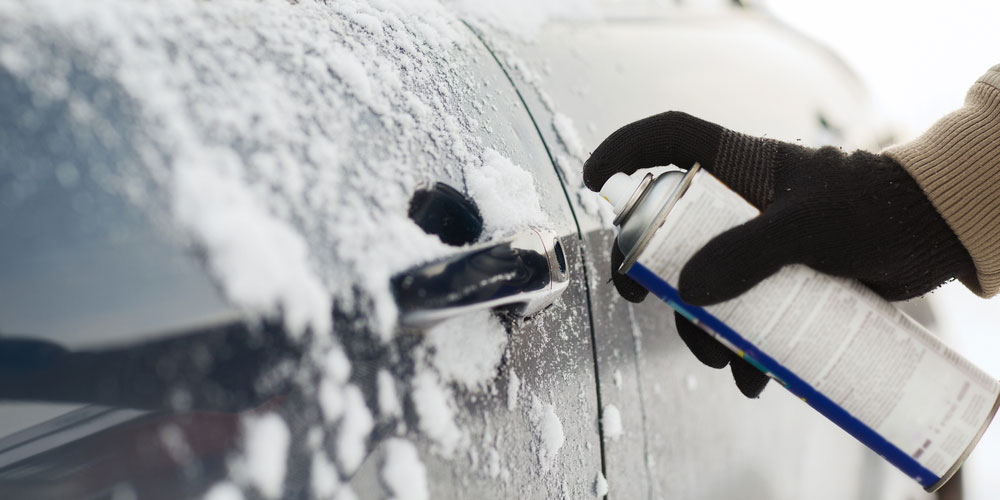
Moisture can accumulate on the rubber seals of the door, freezing and causing the door to stick shut.
Frozen Locks
If water gets into the lock mechanism, it can freeze, preventing the key from turning or the door from unlocking.
Frozen Door Latch
The latch or mechanism inside the door that holds it closed may freeze, making it difficult to open.
Frozen Window
In some cases, the window itself might freeze to the door, preventing it from moving properly.
At Anderson, we provide high-quality door and panel repair in Ogden to help people who aren’t sure how to fix this issue.
How to Unfreeze a Car Door: Practical Methods
Here are several tried and tested methods for unfreezing a car door and getting it open.
Use De-Icer Spray
De-icer spray is one of the most effective solutions for unfreezing a car door. These sprays are designed to melt ice and prevent further freezing, making them a quick fix for frozen doors.
How to Do It: Purchase a can of de-icer spray from an auto parts store or online.
Spray the de-icer onto the frozen door seals, lock, and latch. Allow it to sit for a few minutes, then try to open the door. If the door is still stuck, apply a little more de-icer.
Tip: Always use de-icer designed for automotive use, as other de-icing products may be too harsh for your car’s paint.
Warm Water Method
If you don’t have de-icer on hand, warm water can help thaw frozen parts of your car. However, it’s important not to use boiling water, as it could cause damage to the paint or windows.
How to Do It: Heat up a pot or kettle of warm water (not boiling). Carefully pour it over the frozen area, such as the lock, seals, or latch.
Be sure to avoid pouring water directly onto the car’s paint or electrical components. Once the ice begins to melt, try opening the door.
Tip: After using warm water, it’s a good idea to dry the door thoroughly to prevent further freezing.
Hairdryer or Heat Gun
Another effective method is using a hairdryer or heat gun to gently warm up the frozen areas. This is especially helpful for frozen locks and door latches.
How to Do It: Plug in a hairdryer or heat gun and direct the warm air onto the frozen areas.
Hold the dryer at a safe distance (about 6 to 12 inches) and move it back and forth across the frozen door. Once the ice begins to melt, try opening the door.
Tip: Don’t use too much heat or get the hairdryer too close to the door, as this could cause damage to the paint or seals.
Use Rubbing Alcohol
Rubbing alcohol is an effective de-icer because it has a lower freezing point than water. It can quickly thaw frozen locks and door latches.
How to Do It: Pour a small amount of rubbing alcohol onto a cloth or cotton ball. Rub it over the frozen lock and door seals.
The alcohol will help to melt the ice and prevent further freezing. Try to open the door once the ice begins to melt.
Tip: Rubbing alcohol evaporates quickly, so you may need to apply it a few times to fully unfreeze the door.
Lubricate the Locks and Seals
Preventing your car door from freezing in the future is just as important as knowing how to unfreeze it.
Applying a lubricant to your car’s locks and seals can help to keep them from freezing.
How to Do It: Apply a silicone-based lubricant or lubricant spray designed for locks to the door seals and lock mechanisms.
This will create a thin protective layer that repels water and prevents it from freezing.
Tip: Do this regularly, especially before cold weather sets in, to prevent future freezing.
Frequently Asked Questions (FAQs)
1. Can I use boiling water to unfreeze my car door?
No, boiling water can cause damage to your car’s paint and seals. Always use warm water (not boiling) to unfreeze your car door.
2. Will a hairdryer damage my car if I use it to melt ice?
No, as long as you keep the hairdryer at a safe distance (6 to 12 inches) and don’t apply excessive heat. Use the heat on low settings and keep moving the dryer across the frozen area.
3. How can I prevent my car doors from freezing in the future?
Regularly lubricate the door seals with silicone-based spray, park your car in a sheltered area, and clean your car frequently to remove moisture and dirt.
Conclusion
Dealing with a frozen car door can be a frustrating experience, but knowing how to unfreeze it and take preventative measures can save you time and effort.
Using de-icer sprays, warm water, rubbing alcohol, or even a hairdryer can quickly solve the issue and get you back on the road.
By following these tips and taking steps to prevent freezing, you can ensure your car doors remain functional even in the coldest weather.
Most Requested Service Areas South Ogden Door Repair Experts

Recent Comments