


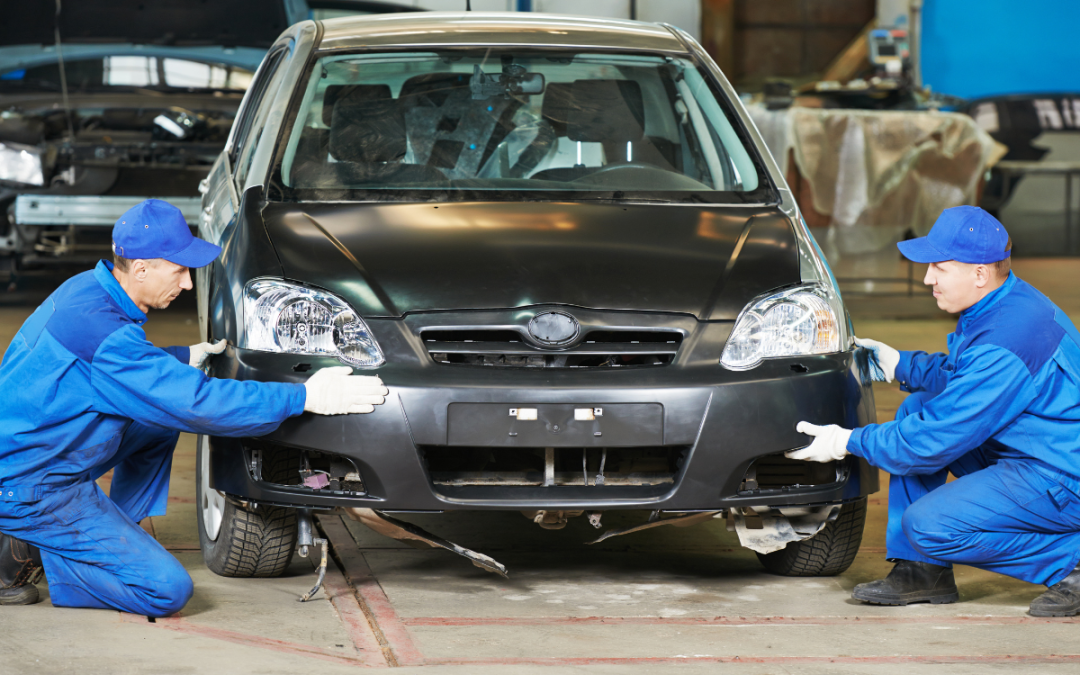
A bumper-to-bumper warranty is often one of the most talked-about benefits when buying a new car, yet many drivers are unsure what it truly covers. While this warranty offers strong protection, it typically excludes wear-and-tear items; for instance, you may still need to pay out-of-pocket to remove bumper scrapes or fix a loose car bumper caused by daily use.
Understanding these limits is vital, especially since standard warranties rarely cover accidental bumper damage insurance claims, which usually fall under your primary auto policy. This guide breaks down what is included, what is excluded, and how it compares to a powertrain limited warranty so you can make confident decisions about your vehicle’s long-term care.
What a “Bumper to Bumper” Warranty Actually Means
A bumper to bumper warranty is considered the most complete form of vehicle coverage available on a new car. While the term sounds like it protects everything from the front bumper to the rear bumper, it does not literally cover every part.
Instead, this warranty focuses on repairing defects in materials or workmanship across a wide range of systems. It typically lasts for a specific period or mileage limit, whichever comes first.
A bumper to bumper warranty generally includes:
- Electrical systems
- Air conditioning and heating components
- Steering systems
- Interior electronics
- Suspension components
- Factory installed technology features
It offers broad protection but is not unlimited coverage. For a deeper understanding of vehicle repairs beyond warranties, you can read about what is collision repair to see how accident related repairs differ from warranty service.
What Systems and Components Are Usually Covered
A bumper to bumper warranty protects many essential systems. These systems keep the vehicle running smoothly and support both performance and comfort.
Electronic and electrical systems
This includes power windows, dashboard displays, sensors, wiring, and infotainment components.
Climate control systems
Air conditioning, heater cores, blower motors, and related controls are usually covered.
Steering and handling systems
Parts like the steering gear, rack and pinion, and associated hardware are included.
Suspension components
Shocks, struts, and control arms often fall under this coverage unless they show signs of wear.
Factory installed tech
Navigation units, adaptive features, and backup cameras are covered if they malfunction due to manufacturing defects.
These protections make the warranty valuable for new car owners and even some used car buyers when the warranty is transferable.
What Is Typically Not Covered
Even though a bumper to bumper warranty offers wide coverage, several items are excluded because they fall under normal wear and tear or owner responsibility.
Typical exclusions include:
- Brake pads and rotors
- Windshield wiper blades
- Tires
- Light bulbs
- Upholstery wear
- Cosmetic issues
- Damage from accidents
- Any modifications or aftermarket parts
This coverage does not protect the vehicle from outside forces such as impacts, weather damage, or neglect. Cosmetic issues involving a bumper cover, paint scratches, or interior fading are not included in this type of warranty.
In addition, fluid flushes, oil changes, and other routine maintenance are never covered.
Bumper to Bumper vs. Powertrain
Car owners often confuse a bumper to bumper warranty with a powertrain limited warranty, but they provide very different protections.
Bumper to bumper warranty
Covers most major systems except wear items and maintenance needs. It focuses on electrical, interior, and comfort related areas.
Powertrain warranty
Covers the parts that move or drive the vehicle. This includes:
- Engine
- Transmission
- Driveshaft
- Transfer case
- Differentials
A powertrain limited warranty usually lasts longer because these components are built for durability and do not fail as often under normal use.
Together, both warranties offer strong protection, but bumper to bumper coverage is usually the one drivers rely on most in the early years of ownership.
When Warranty Claims May Be Denied
Even if a part seems like it should be covered, some claims may still be denied depending on the cause of the issue.
Claims may be denied due to:
Lack of maintenance
Skipping oil changes, ignoring warning lights, or not completing required service can void coverage.
Accident damage
Accident related issues fall under insurance, not warranty, even if the damage seems minor.
Aftermarket modifications
Non factory parts or custom upgrades may void coverage for affected systems.
Misuse or neglect
Using the vehicle outside of normal conditions, overheating, or reckless driving can impact eligibility.
Unauthorized repairs
If repairs are made outside of approved facilities, coverage may be declined.
Understanding these limits helps you avoid unexpected denial of warranty benefits.
Should You Consider Buying an Extended Bumper to Bumper Warranty
When the original new car warranty expires, many drivers worry about repair costs. An extended warranty can help, but it is not always necessary.
Here are reasons to consider an extended bumper to bumper plan:
- You plan to keep the vehicle long term
- Your car has advanced technology prone to expensive repairs
- You want predictable repair costs
- You drive more miles than average
Reasons you may skip an extended warranty include:
- Your vehicle has a strong reliability record
- You prefer to save money for potential repairs
- The cost of the warranty is higher than the expected repairs
Extended warranties can offer peace of mind, especially for used cars or vehicles with complex electrical systems.
Conclusion
A bumper to bumper warranty provides wide coverage for many parts of your vehicle, offering peace of mind during the early years of ownership. Although it does not cover wear items or cosmetic issues, it protects a large portion of the systems that drivers rely on daily. Understanding the difference between this warranty and a powertrain limited warranty helps you know what repairs to expect and what may fall outside of coverage. Knowing these details allows you to make a smart choice about extended warranty options once the original term expires.
FAQ
1. After bumper to bumper ends, is my engine still covered
Yes, the engine is typically covered under the powertrain limited warranty, which lasts longer than bumper to bumper coverage.
2. If my alternator stops working, will that be covered under bumper to bumper
Yes, most alternator failures are covered unless the problem is caused by neglect or outside damage.
3. Is wear and tear on brakes, tires or wiper blades covered by bumper to bumper
No. Wear items like brakes, tires, wipers, and similar parts are excluded because they are expected to wear down with normal use.

Recent Comments