

Thinking about removing your rear bumper, but not sure where to start? It’s a common job whether you’re repairing damage, upgrading parts, or prepping for paint.
With the right tools and steps, you can handle it yourself safely and confidently, without needing a trip to the shop.
How to remove the rear bumper?
Remove screws, detach clips, disconnect wiring, then lift the bumper off carefully with help if needed.
Key Takeaway
- Gather essential tools: socket set, screwdrivers, and trim removal tool.
- Wear safety gear and disconnect the battery if sensors are present.
- Remove screws, clips, and electrical connections carefully.
- Get help lifting the bumper off to avoid scratches or damage.
- Keep screws and clips organised for smooth reinstallation.
What You’ll Need Before Starting
Essential Tools
Gather a basic tool kit before you begin. A socket wrench set, screwdrivers, and a trim removal tool will cover most bumper setups. Having everything ready saves you from mid-job delays.
Safety Gear
Don’t skip protection. Gloves keep your hands safe from sharp edges, and safety glasses shield your eyes from falling clips or debris.
Extra Helpers
If your bumper is large or heavy, a second pair of hands makes removal easier. It also lowers the risk of scratching paint or damaging sensors.
Preparing Your Vehicle
Park and Secure the Car
Start by parking on a flat, stable surface. Engage the parking brake so your vehicle won’t move while you work.
Disconnect the Battery
If your bumper has sensors, lights, or a camera, disconnect the battery first. This keeps you safe and protects the electronics.
Create Working Space
Give yourself room by clearing the trunk and the surrounding area. If access is tight, use a jack and stands to lift the car slightly.
Gather Your Tools
Have your screwdrivers, ratchet, and trim removal tools nearby. Staying organised will save you time once you begin.
Step-by-Step Guide to Removing a Rear Bumper
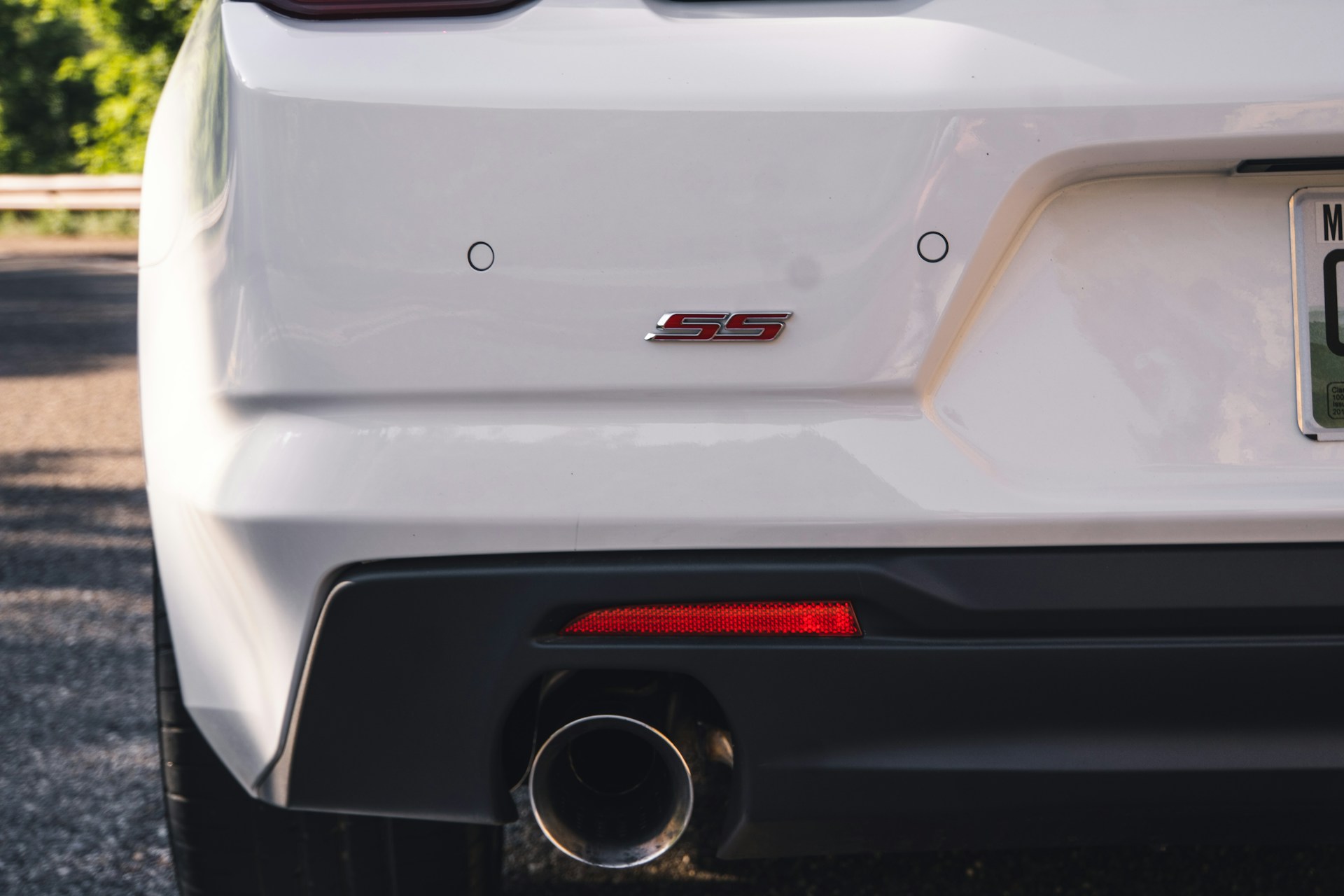
Step 1: Remove Screws and Fasteners
Start by locating the screws holding your bumper in place. They’re often hidden in wheel wells, underneath the bumper, and inside the trunk area near the edges. Use a ratchet or screwdriver that matches the head size to avoid stripping them.
Keep every screw, washer, and bolt in a small labelled bag or container so you don’t lose track during reinstallation.
Taking photos of where each screw came from is also a smart move.
Step 2: Detach Clips and Retainers
Plastic clips are what usually frustrate DIYers the most. These clips run along the top edge under the trunk lid and sometimes along the sides.
Don’t yank them out, or they’ll snap. Use a trim removal tool or even a flathead screwdriver wrapped in tape to gently pry them loose.
Work slowly, moving clip by clip, so the bumper doesn’t warp. If one does break, replacements are inexpensive at most auto parts stores.
Step 3: Disconnect Electrical Components
Modern bumpers are more than just plastic covers. If yours has parking sensors, reflectors, or backup cameras, carefully unplug the wiring before pulling the bumper off completely.
Most connectors have a small tab you press to release them. Never tug on the wires themselves. If you’re worried about mixing up connections, take a quick photo of the wiring setup before you start.
Step 4: Remove the Bumper Cover
Once screws and clips are gone, the bumper cover should be loose. Grab a friend to help, since it can be bulky and awkward.
Start at one corner and gently pull it outward, working your way across. If it feels stuck, double-check for hidden screws or clips you may have missed.
With steady, even pressure, the bumper should come free without cracking. Place it on a soft surface like a blanket to avoid scratches.
Common Mistakes to Avoid
Forgetting Hidden Screws
Many bumpers have screws tucked inside wheel wells or under the trunk. Missing these can crack the plastic when you try to pull it off. Double-check every corner before tugging.
Breaking Clips by Rushing
Clips are fragile and snap easily if you yank too hard. Use a trim tool to gently pop them loose instead of forcing them.
Ignoring Electrical Connections
Modern bumpers often house sensors, lights, or cameras. Always disconnect the wiring first to avoid costly damage.
Frequently Asked Questions
1. Do I need special tools to remove a rear bumper?
Not really. A basic socket set, screwdrivers, and a trim removal tool usually get the job done.
2. Can I remove the bumper alone?
Yes, but it’s easier with a second set of hands. Bumpers can be bulky and awkward to handle.
3. Will removing the bumper affect my car’s sensors?
If your car has backup sensors or cameras, disconnect them carefully before pulling the bumper off.
Conclusion
Taking off a rear bumper isn’t as complicated as it seems when you break it down step by step. With the right tools and a bit of patience, most people can handle it on their own.
Always remember to stay gentle with clips and wiring, since that’s where most mistakes happen. If you run into stubborn sensors or hidden bolts, don’t hesitate to call in a pro. The goal is a smooth job, not extra repairs.

Recent Comments