

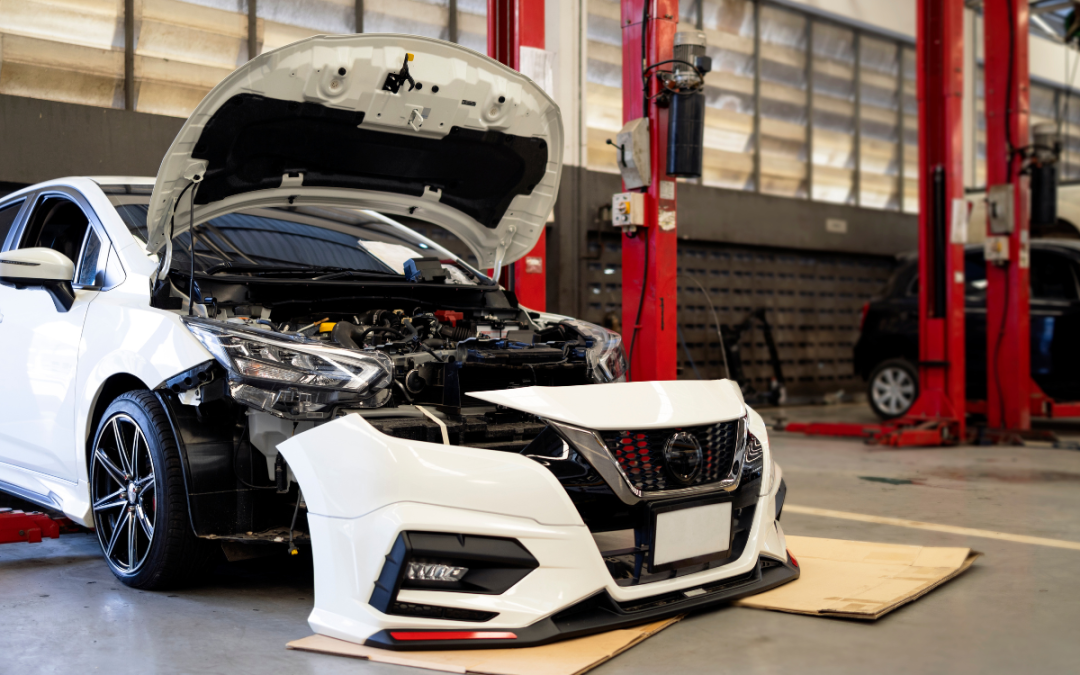
How to repair hard plastic is a common concern for vehicle owners dealing with cracked or broken interior and exterior components. Hard plastic parts are widely used in modern vehicles for bumpers, trims, dashboards, grilles, and underbody panels. While these materials are strong and lightweight, they can crack or break under stress, impact, or long-term exposure to heat.
Understanding how hard plastic gets damaged and which repair methods work best can help prevent unnecessary replacements and keep repair costs under control. This guide explains what causes damage, when it’s appropriate to repair plastic bumper damage, and how to restore strength to hard plastic components safely.
What Causes Auto Hard Plastic to Crack or Break
Hard plastic components are designed to withstand regular use, but certain conditions can weaken them over time.
Common causes include:
- Impact from road debris or minor collisions
- Temperature changes that cause expansion and contraction
- Prolonged exposure to heat or sunlight
- Stress from vibration or improper installation
- Aging materials that become brittle
Once cracks form, they often spread if not repaired promptly.
When Should You Repair or Replace Hard Plastic
Not every damaged plastic part requires replacement. In many cases, repair is possible and effective.
Repair is suitable when:
- Cracks are small or localized
- The plastic has not lost its original shape
- The damaged area does not support heavy load
- The crack has not spread across mounting points
Replacement may be necessary when:
- The plastic has shattered or warped
- Structural strength is compromised
- Multiple cracks appear across the surface
- Mounting tabs are missing or broken beyond repair
Knowing when repair is appropriate helps avoid wasted effort and ensures long-term durability.
How to Fix Cracked Auto Hard Plastic Fast
When done correctly, repairing cracked plastic can restore both appearance and strength.
Basic repair process
- Clean the damaged area
Remove dirt, grease, and debris so the repair material bonds properly. - Stabilize the crack
Drill small stop holes at the ends of the crack to prevent further spreading. - Use plastic welding or bonding
Plastic welding melts the material together using heat, while adhesive bonding uses specialized compounds. - Reinforce the repair
Mesh backing or filler material adds strength to high-stress areas. - Smooth and finish
Sand the surface and restore texture if needed.
This process explains how to repair hard plastic without replacing the entire component.
What Tools Work Best for Hard Plastic Repair
The success of plastic repairs depends heavily on using the right tools.
Commonly used tools include:
- Hard plastic repair kit
- Plastic welding equipment
- Heat source for controlled melting
- Reinforcement mesh
- Sandpaper for finishing
Professional grade tools provide stronger, longer lasting results, especially for exterior parts.
How to Restore Strength to Auto Hard Plastic
Restoring strength is just as important as fixing visible cracks.
Effective reinforcement methods
- Plastic welding for structural integrity
- Backing material to support repaired areas
- Proper heat control to avoid weakening plastic
- Gradual cooling to prevent future cracking
A well reinforced repair ensures the plastic can handle vibration, pressure, and temperature changes.
How Long Does Auto Hard Plastic Repair Last
The durability of a repair depends on several factors.
Repairs tend to last longer when:
- The correct repair method is used
- The plastic is cleaned thoroughly
- Reinforcement is applied properly
- The area is not under constant stress
In many cases, a properly repaired hard plastic part can last for years without issues.
What Mistakes to Avoid When Repairing Hard Plastic
Certain mistakes can weaken repairs or cause cracks to return.
Avoid the following:
- Using incorrect adhesive or filler
- Applying too much heat during plastic welding
- Skipping reinforcement on stress points
- Rushing the curing or cooling process
- Repairing plastic that should be replaced
Avoiding these errors helps ensure a strong and reliable repair.
Related Auto Plastic Repairs
Hard plastic damage often occurs alongside bumper damage. If you are dealing with bumper related issues, this guide may help: can you repair a plastic bumper
Understanding related repairs can help you decide the best overall solution for your vehicle.
Conclusion
Learning how to repair hard plastic helps vehicle owners address cracks and breaks without immediately replacing parts. By understanding what causes damage, choosing the right tools, and following proper repair techniques, many hard plastic components can be restored effectively. Prompt repairs help prevent further cracking and maintain the function of auto plastic parts. Knowing when to repair and when to replace ensures better results and long-term durability.
Frequently Asked Questions
1. What Is the Best Method to Repair Auto Hard Plastic?
Plastic welding combined with reinforcement is one of the most effective methods for repairing hard plastic components.
2. Can Cracked Auto Hard Plastic Be Repaired Permanently?
Yes, when repaired correctly with proper reinforcement, hard plastic repairs can last for many years.
3. Is It Better to Repair or Replace Auto Hard Plastic Parts?
Repair is often suitable for small cracks, while replacement is better for severely damaged or warped parts.

Recent Comments