

Damaged plastic bumper? Don’t rush to replace it just yet. In many cases, repairing it is quicker, cheaper, and way less wasteful.
From scuffs to cracks, plastic bumpers can bounce back with the right tools and technique. This guide breaks down how repairs work and why fixing beats swapping in most cases.
Can you repair a plastic bumper?
Absolutely! Plastic bumpers can be repaired using special adhesives or plastic welding. For small cracks or holes, a repair kit can do the job. For larger damage, professional help is often required.
Key Takeaways
- Plastic bumpers are repairable in many cases, especially for minor scratches, dents, and cracks.
- The type of damage determines whether repair is an option or if replacement is needed.
- Professional repair services can restore the appearance and functionality of a damaged bumper.
Types of Plastic Bumper Damage
Add new Paragraph
Plastic bumpers are designed to absorb impact, but they are still susceptible to damage. The severity of the damage will determine whether a repair or replacement is required, and in many cases, seeking professional hard plastic repair in Ogden can help restore both function and appearance effectively, and in some cases, understanding the new bumper installation time can help you plan for the repair process more effectively.
Below are the most common types of plastic bumper damage:
Scratches and Scuffs
These are the most common types of bumper damage. Scratches or scuffs can occur from brushing against a wall, hitting debris, or minor fender-benders.
While these don’t affect the structural integrity of the bumper, they can make your car look worn out.
Dents and Dings
If the plastic bumper is pushed in or dented from an impact, it may lose its shape.
Small dents and dings can typically be repaired by a professional using various methods, including heating the plastic and reshaping it.
Cracks
Cracks are more severe than scratches and dents and can compromise the strength of the bumper.
However, with the right tools and materials, a cracked plastic bumper can often be repaired, depending on the size and location of the crack.
Tears
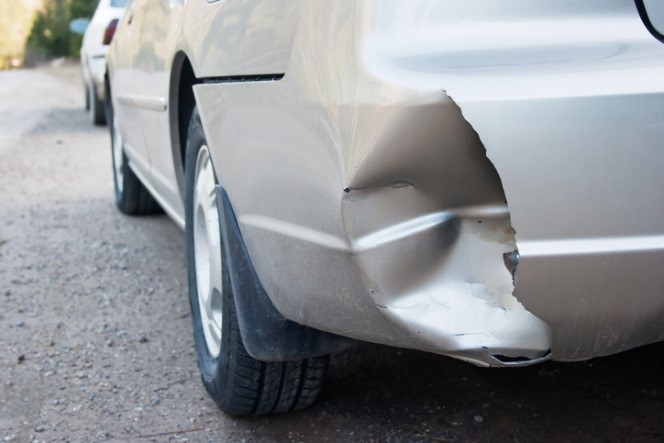
A tear in the plastic bumper is harder to repair than a crack or dent, but it is still possible.
In many cases, plastic bumpers can be welded or fused as part of a same day bumper repair, though the finish might not look as seamless as the original bumper.
Can You Repair a Plastic Bumper Yourself?
While professional repair services are often the best choice for quality results, some minor repairs can be done at home with the right tools and materials.
Here’s how you can repair a plastic bumper on your own:
Repairing Scratches and Scuffs
Clean the area around the scratch using soap and water to remove dirt and debris. Sand the scratched area lightly with fine-grit sandpaper.
Apply a touch-up paint that matches the colour of your car. Use a small brush to carefully fill in the scratch, and allow it to dry.
For deeper scuffs, you might need a buffing compound to smooth the surface.
Fixing Minor Dents
Heat the dented area using a hairdryer or heat gun (be cautious not to overheat the plastic). Once the plastic is warm, use a suction cup or your hands to gently pull the dent out.
If necessary, apply a plastic repair adhesive to seal any remaining cracks or small gaps.
Repairing Cracks
Clean the crack thoroughly, removing any dirt or debris from the area. Use a plastic repair kit that includes adhesive and reinforcement strips.
Apply the adhesive to the crack, ensuring it bonds properly, and use the reinforcement strips for added strength. Allow the adhesive to cure, following the manufacturer’s instructions.
Fixing Tears
Use a plastic welding kit to fuse the edges of the tear back together.
If welding is not an option, you can use a strong adhesive or epoxy specifically designed for plastic bonding.
After the adhesive sets, use sandpaper to smooth the repaired area and paint over it to match the rest of the bumper.
While these methods can be effective for minor repairs, more extensive damage should be handled by a professional.
When Should You Consider Professional Repair Services?
While DIY repairs are an option for minor damage, there are situations when professional repair services are the better choice. If the damage involves deep scratches, cracks, or paint peeling, it’s often a sign that plastic car bumper restoration is needed to bring back that factory-finish look. Skilled technicians can reshape, sand, and repaint the area so it blends seamlessly with the rest of your car.
Large Cracks or Tears
If the damage is extensive and affects the integrity of the bumper, it’s best to leave it to the professionals.
They have the tools and expertise to repair or replace larger sections of the bumper.
Structural Damage
If the bumper has been significantly impacted, leading to structural damage that affects the safety of the vehicle, a professional repair is necessary.
This ensures the bumper functions properly and provides the protection it was designed for.
Matching the Colour
If you want the repair to be seamless and the colour of the bumper to match the rest of your car, professionals can ensure that the paint and finish are uniform.
Specialty Repairs
For certain types of repairs, such as using plastic welding techniques or using advanced materials, a professional can achieve a better and longer-lasting result.
Frequently Asked Questions (FAQs)
1. Can all plastic bumpers be repaired?
Not all plastic bumpers can be repaired. Minor scratches, dents, and small cracks can be repaired effectively, but significant damage may require replacement.
2. How long does a bumper repair take?
Minor bumper repairs can take a few hours to a day, depending on the severity of the damage. Larger repairs may take longer, especially if the bumper needs to be removed and reinstalled.
3. Can a plastic bumper be welded?
Yes, plastic bumpers can be welded using a plastic welding kit. This method is typically used for repairing larger cracks or tears in the bumper.
Conclusion
Repairing a plastic bumper is often a practical and cost-effective solution to fix minor damage.
Whether you opt for DIY repairs or professional services, the key is to understand the severity of the damage and choose the appropriate method. If the issue involves car scratch and dent repair, take time to assess whether it’s surface-level or deep enough to require expert tools. Minor blemishes can often be handled at home, but deeper dents or scratches might need a professional touch to restore your car’s finish and protect it from rust or further damage.
While smaller scratches and dents can be repaired at home, more extensive damage or any hard plastic fix in Riverdale is best handled by a professional to ensure your bumper is restored to its original condition.
Regardless of the method, repairing your bumper can save you money and keep your vehicle looking its best.
Most Requested Service Areas South Ogden Plastic Repair Experts.

Recent Comments