
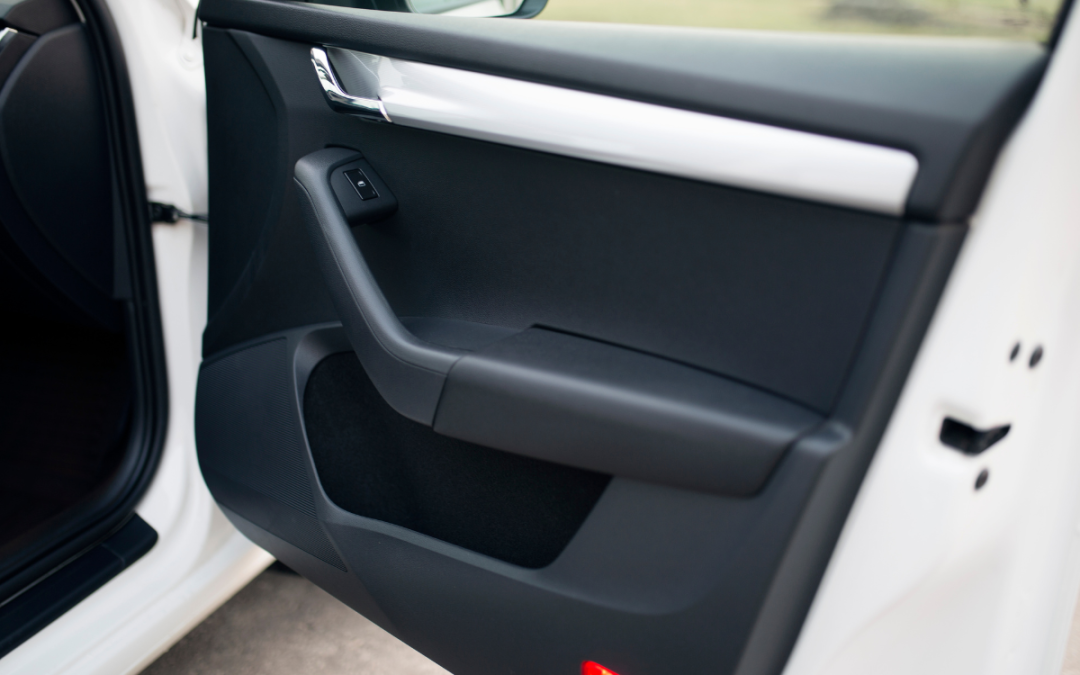
What is a door panel on a car is a common question among vehicle owners who notice damage, wear, or malfunction inside their doors. The door panel is more than just a decorative surface. It plays an important role in comfort, safety, and functionality while driving. When a door panel becomes loose, cracked, or damaged, it can affect everything from window operation to interior noise levels.
Understanding what a door panel does, how it is built, and when it needs attention helps vehicle owners make informed repair and maintenance decisions.
What Exactly Is a Car Door Panel?
A car door panel is the interior covering attached to the inside of a vehicle’s door frame. It hides mechanical components, provides insulation, and creates a finished interior appearance.
The door panel sits over internal parts such as:
- Door lock mechanisms
- Window regulators
- Wiring and switches
- Structural door frame components
In simple terms, the door panel car owners see every day is both a protective and functional part of the vehicle’s interior.
How Door Panels Work in Modern Vehicles
Door panels work by:
- Securing switches and controls in place
- Reducing road noise and vibration
- Protecting wiring and moving parts
- Providing padding and arm support
Most door panels are attached using clips, screws, and fasteners that allow controlled removal during repairs.
Key Components Inside a Door Panel
Behind every door panel is a combination of mechanical and electrical parts that support daily vehicle use.
Common components include
- Door lock actuators
- Window motors and regulators
- Door switches for windows and locks
- Wiring harnesses
- Moisture barriers
- Inner door panel insulation
The door panel acts as a shield, keeping these parts protected from moisture and impact.
Why Door Panels Matter for Safety and Comfort
Door panels are often overlooked until something goes wrong. However, they contribute directly to safety and comfort.
Safety benefits
- Provide a barrier between occupants and metal door structure
- Support side impact protection systems
- Keep wiring and door lock systems secure
Comfort benefits
- Reduce outside noise
- Provide armrests and soft touch surfaces
- Improve interior temperature control
A damaged door panel can compromise both comfort and safety if left unaddressed.
When Do Door Panels Need Replacement?
Not all door panel issues require full replacement, but some situations make replacement the best option.
Door panels may need replacement when:
- The panel is cracked or broken
- Mounting clips no longer hold the panel securely
- Water damage has caused warping
- The door skin underneath is compromised
- Interior components are exposed
In some cases, repairs are possible, but severe damage often calls for replacement.
How to Inspect a Door Panel for Damage
Routine checks make it easier to spot problems early and prevent them from getting worse.
What to look for
- Loose or rattling panels
- Cracks or visible damage
- Malfunctioning door switches
- Gaps between the panel and door frame
- Moisture or staining near the bottom edge
If the door panel moves when pressed or makes noise while driving, inspection is recommended.
Common Door Panel Materials and Differences
Door panels are made from different materials depending on the vehicle model and trim level.
Common materials include
- Molded plastic
- Vinyl wrapped panels
- Fabric covered panels
- Leather trimmed panels
- Composite materials
Every material provides a different mix of strength, visual appeal, and price. Plastic panels are lightweight and common, while leather or fabric panels offer higher comfort and aesthetics.
Benefits of Upgrading or Customizing Your Door Panels
Upgrading door panels is not only about appearance. It can improve functionality and comfort.
Benefits include
- Enhanced interior appearance
- Improved noise insulation
- Better arm and elbow support
- Updated switches or controls
- Increased vehicle value
Customization options allow owners to refresh interiors without replacing the entire door structure.
Related Door Component Repairs
Door panel issues sometimes occur alongside mechanical problems such as hinge wear. If your door does not open or close smoothly, this guide may help: how to repair car door hinges
Addressing hinge issues early can prevent stress on the door panel and door frame.
Conclusion
Understanding what is a door panel on a car helps vehicle owners recognize its role in safety, comfort, and daily operation. Door panels protect internal components, reduce noise, and create a finished interior look. Knowing how to inspect them, identify damage, and understand material differences allows for better maintenance decisions. Whether repairing or upgrading, addressing door panel issues early helps maintain the overall condition and functionality of the vehicle.
Frequently Asked Questions
1. What Does a Car Door Panel Do?
A car door panel covers internal door components, improves comfort, reduces noise, and supports door switches and controls.
2. How Can I Tell If My Door Panel Needs to Be Fixed or Replaced?
Loose panels, visible cracks, rattling sounds, and exposed components are signs that repair or replacement may be needed.
3. Are All Door Panels the Same Across Different Car Models?
No. Door panels vary by vehicle design, material, size, and mounting method depending on the model and trim level.

Recent Comments