


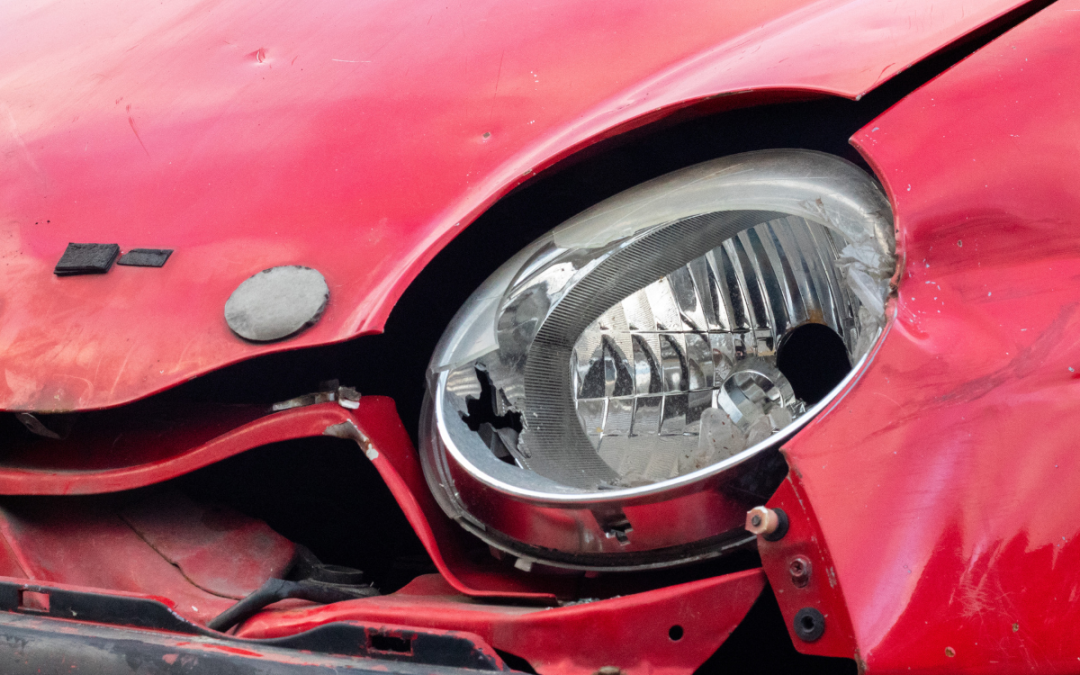
The front bumper replacement cost can surprise many drivers because the final bill depends on far more than the bumper part itself. When a front bumper gets damaged, it affects both the appearance and safety of the car. Much like estimating a rear bumper repair cost, what seems like a simple fix can turn into a detailed repair involving paint, sensors, brackets, and labor. Understanding what drives these expenses helps you make informed choices and avoid unnecessary stress when getting estimates.
This guide breaks down everything that goes into a replacement so you know what to expect before you visit an auto body shop.
What goes into the cost – Parts, Labor, and Paint
Several components contribute to the total front bumper replacement cost. Even though a bumper looks like one piece, it includes multiple parts that may need repair or replacement.
Parts
A front bumper includes the bumper cover, support bar, brackets, clips, and various mounting hardware. Modern cars often include grilles, air ducts, and trim pieces connected to the bumper. If any of these are damaged, the price increases. Be sure to understand the difference between a bumper and a bumper cover. You can learn more about this from the guide on what is a bumper cover, which explains the design and purpose of each part.
Labor
Labor includes removing the damaged bumper, transferring attached components to the new one, installing the replacement, and aligning it properly. Labor rates vary based on shop experience and the complexity of the vehicle.
Paint
Most bumper covers come unpainted, so the shop must match the paint to your vehicle. The cost increases for specialty finishes or metallic colors. Paint blending may also be required to ensure a uniform look.
Because of these elements, two cars with similar damage can have very different repair prices.
Typical Price Ranges by Vehicle Type
Every vehicle has unique bumper needs based on size, material, and accessories. Here are general price ranges for common vehicle categories.
Sedans and compact cars
These cars typically have less complex bumper systems.
Expected range: 500 dollars to 1,200 dollars
SUVs and trucks
Larger bumpers and added trim pieces make replacement more expensive.
Expected range: 700 dollars to 1,800 dollars
Luxury vehicles
Luxury cars often feature advanced materials, detailed paint, and integrated technology.
Expected range: 1,000 dollars to 3,000 dollars or more
Vintage cars
Vintage cars may require specialty parts or fabrication.
Expected range: varies widely depending on availability
The price depends heavily on the parts chosen and how much labor is required.
OEM vs Aftermarket vs Used / Salvage Bumpers – Pros & Cons
The front bumper replacement cost also depends on the type of bumper you choose.
OEM (Original Equipment Manufacturer)
OEM parts are made by the car manufacturer.
Pros: Perfect fit, correct design, long lasting
Cons: Most expensive option
Aftermarket bumpers
These parts are made by third party companies and vary in quality.
Pros: More affordable, wide selection
Cons: Fit may require adjustment, paint matching can be harder
Used or salvage bumpers
These come from recycled or dismantled vehicles.
Pros: Cheapest option, still high quality if sourced carefully
Cons: Existing damage, may require extra prep or repair
Choosing the right type depends on your budget and how long you plan to keep the car.
Sensors, Cameras and Complexity
Many cars now include technology in the front bumper, which affects overall cost.
Examples include:
- Parking sensors
- Adaptive cruise control radar
- Lane assist cameras
- Air intake components
- Collision detection systems
When these systems are attached to the bumper, replacement becomes more complex. Often, specialized hard plastic repair is required to ensure structural integrity before components are carefully removed, transferred to the new bumper, and recalibrated. This meticulous process ensures a seamless fit but inevitably adds both time and labor costs to the overall service.
If any sensor gets damaged, the replacement part alone can add several hundred dollars to the final bill.
How to Estimate Your Repair: Checklist and Questions to Ask Your Shop
Before getting a quote, it helps to have a clear idea of what to evaluate. Here is a simple checklist:
1. Look for visible damage
Cracks, dents, deformities, and gaps usually require replacement.
2. Check the alignment
If the bumper is misaligned or sagging, clips or brackets may also need replacement.
3. Inspect paint damage
Severe paint damage usually requires refinishing rather than simple touch ups.
4. Note any attached components
Grilles, fog lights, trim pieces, and guards can increase the cost.
5. Ask the shop these questions
- Will you check for hidden internal damage
- Does the estimate include paint, blending, and labor
- Will any sensors need recalibration
- What is included in the bumper repair cost
- How long will the job take
A transparent conversation ensures you understand every part of the estimate.
Ways to Save on Front Bumper Replacement
Drivers often want to reduce the front bumper replacement cost without sacrificing safety or quality. Here are realistic ways to lower your expenses:
1. Get multiple quotes
Prices vary by auto body shop, so comparing estimates helps you find the best value.
2. Consider aftermarket or used bumpers
High quality used or aftermarket parts can significantly reduce the cost.
3. Check insurance coverage
If the damage was caused by an accident, collision coverage may pay for some or all of the repair.
4. Repair instead of replace
If the bumper damage is minor, a repair may be possible. This can reduce costs compared to a full replacement.
5. Avoid delaying repairs
Small cracks can spread, leading to higher repair costs later.
Finding the right balance between value and quality ensures the repair lasts.
What to Expect: Timeline and Typical Workflow
If you are planning for scheduling or convenience, it helps to know the general timeline for a front bumper replacement.
Step 1: Inspection and estimate
Shops inspect the bumper, check for hidden damage, and prepare a quote.
Step 2: Ordering parts
OEM parts may take longer to arrive, while aftermarket or used parts may be available immediately.
Step 3: Removal of damaged bumper
Shops carefully remove the old bumper along with any attached components.
Step 4: Installation and alignment
The new bumper is installed, aligned, and checked for fit.
Step 5: Painting and finishing
Paint matching and clear coat application give the bumper a clean, finished look.
Step 6: Reassembly and testing
Sensors, trim pieces, and lights are reinstalled and tested.
Most replacements take one to three days, depending on paint drying time and parts availability.
Conclusion
Understanding the front bumper replacement cost helps you make a confident decision when your bumper is damaged. The final price depends on parts, labor, paint, sensors, and the type of bumper you choose. Comparing estimates, asking the right questions, and knowing when repair or replacement is the better option can help you save money while still getting a safe and reliable result. With the right information, you can approach the process prepared and informed.
Frequently Asked Questions
1. How Much Does the Bumper Part Alone Cost
The bumper cover alone usually costs between 100 dollars and 600 dollars depending on the vehicle and whether it is OEM, aftermarket, or used.
2. Can I Just Repair the Bumper Instead of Replacing It
Yes. If the damage is small and the structure is still intact, repairing may be more affordable. Replacement is recommended when cracks, deformation, or broken mounting points make repair unreliable.
3. What Should I Check Before Getting a Quote for Replacement
Check for cracks, gaps, paint damage, sensor issues, and alignment problems. Also confirm whether the estimate includes paint, labor, parts, and any needed recalibration.

Recent Comments