

A bumper cover isn’t just for looks; it’s your car’s first line of defense against low-speed bumps and scrapes.
Designed to absorb minor impacts and boost aerodynamics, it also gives your ride a clean, finished appearance.
In this guide, we’ll break down what a bumper cover does, why it matters, and how to keep it in top shape for both style and safety.
What is a bumper cover?
A bumper cover is a plastic or fiberglass panel that attaches to your car’s bumper. It’s designed to enhance the appearance and protect the underlying structure from minor impacts.
Key Takeaways
- Bumper covers protect the vehicle’s bumper from damage caused by minor collisions and impacts.
- They are made of materials like plastic or fiberglass and are designed to absorb the force of a collision.
- Proper maintenance and care of bumper covers help maintain the vehicle’s appearance and prevent more costly repairs in the future.
What is a Bumper Cover?
A bumper cover is a piece of bodywork that fits over the front and rear bumpers of a vehicle.
Unlike the bumper itself, which is designed to absorb impact, the bumper cover is primarily cosmetic and serves as a protective layer to shield the bumper from damage.
While the bumper’s internal structure is made of metal, foam, or other sturdy materials, the bumper cover is usually made of plastic, fiberglass, or even carbon fiber in some cases.
The cover is designed to look sleek and integrate seamlessly with the car’s body.
It can be painted to match the vehicle’s colour, and in many cases, it features a design that complements the vehicle’s overall aesthetic.
Why Are Bumper Covers Important?
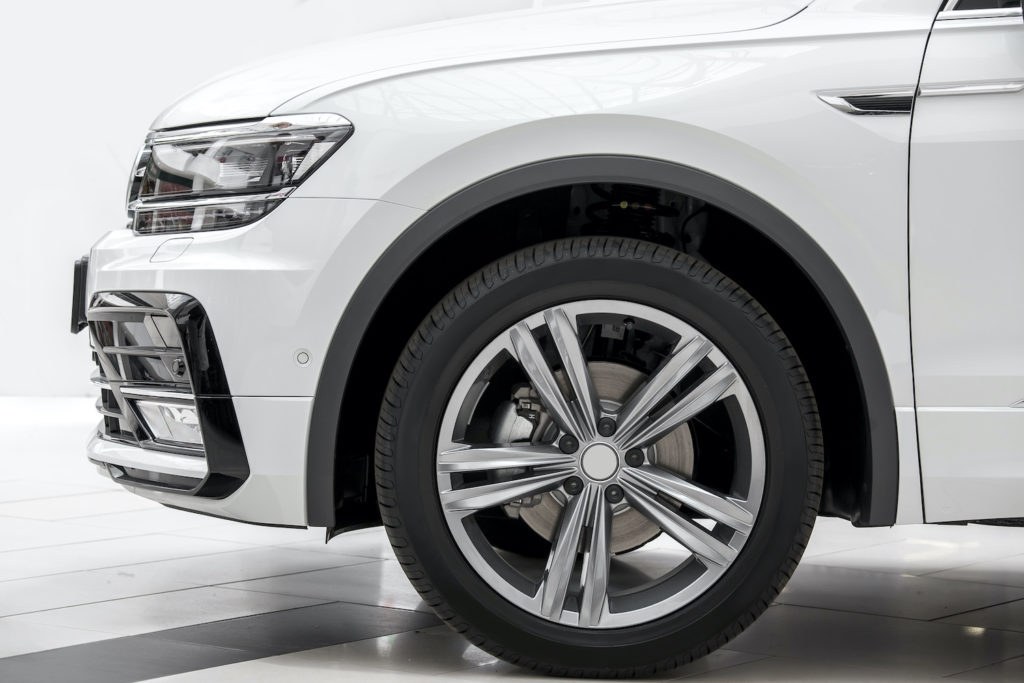
Bumper covers serve several vital functions, both practical and aesthetic. Here are the key reasons why having a bumper cover on your vehicle is important:
Protection Against Minor Collisions
One of the primary functions of a bumper cover is to absorb the impact from minor collisions.
If you accidentally bump into a curb, another car, or a stationary object, the bumper cover helps prevent damage to the more expensive internal components of the bumper.
Without it, the actual bumper, which is often more expensive to repair, could take the brunt of the impact.
Improved Aesthetic Appeal
Bumper covers help to maintain the vehicle’s aesthetic appeal.
They cover up the more utilitarian, often unsightly, components of the bumper, such as the metal frame or plastic inner parts. In fact, issues like a bent frame can raise safety concerns, which is why many people often ask, can you drive a car with a bent frame?
With a well-designed bumper cover, your vehicle will look sleeker and more polished, contributing to its overall appearance.
Custom bumper covers, which can be personalized with paint or designs, are also popular for owners who want to give their car a unique look. While some people may wonder, “can you drive without a bumper?” the truth is that bumpers not only add style but also provide essential protection. For those wanting a sleeker upgrade, options like a chrome bumper wrap can deliver a modern, eye-catching finish without replacing the entire bumper.
Lower Repair Costs
Since bumper covers absorb much of the impact in minor collisions, they protect the internal structure of the bumper from damage.
This can save you a significant amount of money on repairs in the event of an accident.
Replacing or repairing a bumper cover is often much cheaper than replacing the entire bumper system.
If the cover gets scratched or cracked, it can usually be repaired or replaced at a relatively low cost compared to repairing the internal bumper components.
Aerodynamics and Fuel Efficiency
Some modern bumper covers are designed with aerodynamics in mind.
These covers can help reduce air drag, making the vehicle more fuel-efficient by allowing air to flow smoothly over the car’s body.
While the impact on fuel efficiency may be small, every bit counts, especially for performance or eco-friendly vehicles.
Types of Bumper Covers
Bumper covers come in various styles and materials, depending on the make and model of the vehicle. Here are some of the most common types of bumper covers you can find:
Plastic Bumper Covers
Plastic is the most common material used for bumper covers due to its durability and ease of production.
Plastic bumper covers are relatively lightweight, making them a popular choice for most vehicles.
They can be painted to match the car’s color using a computerized color matching system in Taylor offers, and are relatively easy to repair if scratched or damaged.
Fibreglass Bumper Covers
Fibreglass bumper covers are stronger and lighter than plastic, making them a good option for sports cars or performance vehicles.
Fibreglass provides better protection in the event of a minor impact but can be more prone to cracking under certain conditions.
Like plastic, fiberglass bumper covers can be painted to match the car’s exterior.
Carbon Fibre Bumper Covers
Carbon fibre is a premium material used in high-end sports cars and luxury vehicles. It is extremely lightweight and provides superior protection against damage.
Carbon fibre bumper covers are more expensive but are ideal for performance vehicles that require both strength and a sleek, modern appearance.
Rubber Bumper Covers
Some vehicles, especially commercial trucks and vans, use rubber bumper covers. These covers are typically more flexible and better suited to absorb larger impacts.
Rubber bumper covers are durable and easy to maintain, but they are usually more utilitarian in appearance than plastic or fibreglass options.
Frequently Asked Questions (FAQs)
1. Can I replace my bumper cover myself?
Yes, replacing a bumper cover is often a manageable DIY project. However, it may require some mechanical knowledge and the right tools to ensure proper installation.
2. How do I know if my bumper cover needs replacing?
If your bumper cover is cracked, severely scratched, or broken, it may need replacing. If the damage is minimal, a professional repair or touch-up may be sufficient.
3. Are bumper covers covered by insurance?
In many cases, bumper covers are covered by car insurance if they are damaged in an accident. Check with your insurance provider for specific coverage details.
Conclusion
Bumper covers are an essential part of your vehicle, offering both functional and aesthetic benefits.
They protect the bumper from damage, enhance the vehicle’s appearance, and help reduce repair costs in the long run.
Whether you’re considering a replacement or simply need to maintain your existing bumper cover, knowing the right type of cover and how to care for it can ensure that your car remains in top shape.
If you’re dealing with a damaged bumper cover, it’s important to address it promptly to maintain both the look and functionality of your vehicle.

Recent Comments