



A loose car bumper can create worry for any driver because it affects safety and how the vehicle looks. While minor cosmetic issues might be covered under a bumper to bumper warranty, structural damage often requires immediate attention. When this issue is ignored, the bumper can shift, drag on the road, or even fall off. If you want to understand how to fix a loose car bumper the right way, it helps to learn what causes the problem, what tools you need, and when a repair is best handled at a professional body shop.
Below is a clear guide that helps you assess the problem, try possible DIY steps, and know when it is time to let experts take over.
Why Car Bumpers Become Loose or Fall Off
A bumper can loosen for several reasons, and knowing what caused it helps you decide how to move forward. Many drivers deal with loose bumpers after daily wear, parking accidents, or road conditions that stress plastic or carbon steel components. If the issue arose from a collision, you might wonder, does car insurance cover bumper damage? In many cases, the answer depends on your specific policy and the circumstances of the incident.
Common reasons include:
- Minor collisions that damage clips or mounting brackets
- Fasteners falling out because of vibration
- Worn or cracked plastic on older vehicles
- Rust on mounting points
- Damage from curbs, road debris, or steep driveways
- Incorrect installation after previous repairs
Sometimes the problem looks simple but reveals deeper damage when you remove the bumper. If you want more context on bumper parts, you can also read about what is a bumper cover on the Anderson Auto Body & Paint website.
Assessing the Damage: What You Should Examine First
Before you start any repair, it is important to inspect your car front or rear bumper so you understand the true condition.
Here is what to look for:
Check the Alignment
See if the bumper is sagging on one side or pulling away from the vehicle. Alignment issues often point to missing fasteners.
Look for Broken Clips or Tabs
Many car bumper systems use small plastic clips that can snap easily. If these pieces break, the bumper cannot stay in place.
Inspect the Mounting Brackets
A bracket holds the bumper steady. If it bends or cracks, the bumper will stay loose even with new clips.
Check Internal Components
Lights, sensors, and trim pieces behind the bumper can shift during impact. You want to be sure nothing else is affected.
Evaluate the Extent of the Gap
A small gap is usually an easy fix. A large gap may signal structural damage.
Understanding the problem clearly helps you decide if you can handle the repair yourself or if professional help is needed.
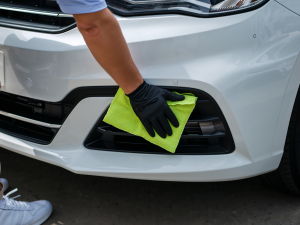
Tools and Materials You Will Need for a DIY Fix
You can pick up most of the tools you need at local auto parts stores. Gathering these before you begin makes the process easier.
Common tools include:
- Screwdrivers
- Ratchet and socket set
- Replacement clips or tabs
- Plastic trim removal tools
- Zip ties
- Fastener kit
- Work gloves
- Clean cloth
If your bumper is made from plastic or carbon steel, you may also need specialty fasteners that match your vehicle.
How to Reattach a Loose Bumper
If the damage is minor, you may be able to fix a loose car bumper at home. Follow these steps carefully to keep the repair safe and effective.
Step 1: Remove Any Remaining Broken Clips
Use a trim tool to pull out old damaged clips. If they remain stuck, they can prevent proper alignment.
Step 2: Reposition the Bumper
Lift the bumper gently into place. Make sure it lines up with the fender, grille, and lights.
Step 3: Install New Clips or Fasteners
Insert new clips through the mounting holes. Press firmly until they lock into position. For screws, tighten them without over-torquing.
Step 4: Secure the Brackets
If the brackets moved during impact, adjust them before adding new clips. This keeps the bumper aligned and stable.
Step 5: Check the Fit
Run your hand along the edge to see if everything sits flush. A small adjustment now saves time later.
Step 6: Test the Bumper
Move the bumper lightly to confirm that it no longer shakes or pulls away.
DIY repairs work best when the issue involves only clips or fasteners. If the bumper is cracked or a bracket is damaged, a professional repair is safer.
Quick, Temporary Fixes
If you need a short term solution while you wait for parts or while heading to a repair shop, there are a few temporary fixes.
Zip Ties
Zip ties can secure part of a bumper until you reach a shop. They should never replace real repairs, but they can prevent the bumper from falling off.
Duct Tape
Duct tape helps hold a bumper in place for a very short time. It is not meant for extended use because it loses grip.
Temporary Fasteners
You can find universal fasteners at auto parts stores that work until you get the correct parts.
These options help prevent further damage, but they are not long term solutions.
When It Is Time to Seek Professional Help or Replace the Bumper
There are times when professional collision repair is your safest and most reliable option.
You should call a body shop like Anderson Auto Body & Paint when:
- The bumper has deep cracks
- Brackets are bent
- Clips do not hold even after replacement
- Sensors or lights are damaged
- The bumper came completely off
- You hear unusual noises when driving
- A previous repair was done incorrectly
Replacement is often needed when the bumper no longer fits the car properly or when the material cannot hold fasteners. A shop also ensures everything behind the bumper is safe, including internal structural components.
Maintenance Tips to Prevent Future Bumper Issues
Taking care of your bumper helps extend its life and prevents future problems.
Here are simple habits that help:
- Avoid bumping curbs or low parking stops
- Check clips regularly if you drive on rough roads
- Inspect after minor impacts that seem small
- Keep your distance from high debris areas
- Do not pull or lean on the bumper
- Rinse off salt in winter to protect metal components
Regular care can prevent small issues from becoming costly repairs.
Conclusion
Understanding how to fix a loose car bumper helps you make better decisions when you notice gaps, broken clips, or loose panels. Many small issues, like minor bumper scrapes, are easy to correct on your own, but larger problems require a professional who can ensure proper alignment, safe operation, and long-lasting results.
If you find hidden damage or want a complete repair done by experts, Anderson Auto Body & Paint is ready to help. A secure bumper helps your car stay safe and reliable during everyday driving.
Frequently Asked Questions
1. What common things cause a bumper to become loose?
Loose bumpers often result from small impacts, worn clips, damaged brackets, or vibration from regular driving.
2. Can I reattach a loose bumper myself, or do I need a body shop?
You can reattach it yourself if the issue involves only clips or fasteners. Structural damage or broken brackets should be repaired by a professional body shop.
3. Are zip ties a realistic solution to fix a loose bumper?
Zip ties only work as a temporary fix. They help hold the bumper in place but should be replaced with real parts as soon as possible.
4. When should I replace the bumper instead of repairing it?
Replace the bumper when it is cracked, bent, or unable to hold clips. If the bumper does not align after repairs, replacement is usually the best option.

Recent Comments